
NSCA’s Guide to Sport and Exercise Nutrition
NSCA’s Guide to Sport and Exercise Nutrition
Common Course ID: Nutrition for Health, Fitness, and Sports/ KINE 382
Instructor Open Textbook Adoption Portrait
Abstract: This open textbook is being utilized in a Kinesiology course for undergraduate students by Wagner Prado at California State University San Bernardino. The open textbook provides information realted to the basci principles of sports nutrition for an audience that has very little knowledge about the topic. The main motivation to adopt an open textbook was to save students money . Most student access the open textbook directly online through our campus library’s website, which connects to Proquest .
COOLforED is a service of the California State University-MERLOT program.
Partial funding provided by the State of California, the William and Flora Hewlett Foundation, and the Bill and Melinda Gates Foundation.
Questions? Email cool4ed@cdl.edu
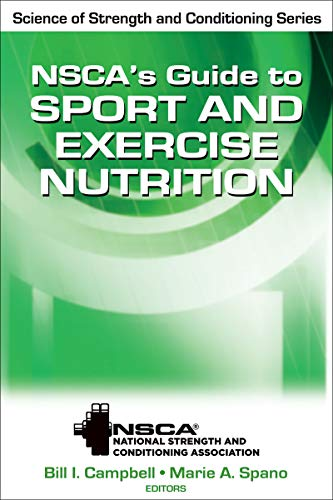
Textbook Title: NSCA’s Guide to Sport and Exercise Nutrition. Human Kinetics.
Description: NSCA’s Guide to Sport and Exercise Nutrition covers all aspects of food selection, digestion, metabolism, and hydration relevant to sport and exercise performance. This comprehensive resource will help you understand safe and effective ways to improve training and performance through natural nutrition-based ergogenic aids like supplementation and macronutrient intake manipulation. Also provides guidelines about proper fluid intake to enhance performance and the most important criteria for effectively evaluating the quality of sport drinks and replacement beverages. Cutting-edge findings on nutrient timing based on the type, intensity, and duration of activity will help you understand how to recommend the correct nutrients at the ideal time to achieve optimal performance results.
NSCA’s Guide to Sport and Exercise Nutrition is part of the Science of Strength and Conditioning series. Authors: [Bill I. Campbell, PhD, CSCS, FISSN , University of South Florida Educational; Marie A. Spano, MS, RD/LD, FISSN, CSCS, CSSD,
Formats: The link is provided to them from Blackboard. However, students download it (for free) or read it directly online through our campus Library’s website, which connects to Proquest after students log onto MyCoyote, our campus’ official online entry/access point.
Supplemental resources:
Cost savings: The former adopted book for KINE 382 was: Marie Spano, Laura Kruskall, D. Travis Thomas. Nutrition for Sport, Exercise, and Health. Human Kinetics, 2018. The estimated cost for this book is around USD 130.00. Considering the total of 36 students enrolled in the Fall/2019, the estimated costs were: 36 x 130 = USD 4,680.00 (per course). BOTH BOOK CURRENT BOOK IS 100% FREE FOR ALL STUDENTS, THEY HAVE HAD ACCESS TO THE BOOKS AT ZERO FEES.
License: This book has a copyright from Human Kinetics. Since students access the book through Proquest, they can read it for free.
Course Number: KINE 382
Name: Nutrition for Health, Fitness, and Sports
Description:
Nutrition for Health, Fitness, and Sports (4 units): Addresses nutrition needs of general population, athletes and population with special needs. Topics include, but not limited to macro requirements for fitness, performance and health enhancement, popular nutrition supplements and ergogenic aids.
Prerequisites: N/A. Recommended: BIOL 224.
GE credit: 4 units.
Learning outcomes: Upon successful completion of this course, students will be able to: LO 1: Identify major functions, food sources, and requirement of each of the nutrients for people engaged in regular physical activities programs. LO 2: Differentiate how type, intensity, duration, and fitness level influence fuel utilization by the muscles for energy. LO 3: Design a meal plan based on individual needs by prescribing the amount of macronutrients necessary for optimizing health and/or performance. LO 4: Identify effective and ineffective ergogenic aids and discuss why/how they work or don’t work using scientific evidence. LO 5: Discuss the concepts of weight loss, weight gain (hypertrophy), and energy storage. LO 6: Summarize the roles of diet and exercise in weight management (weight gain, maintenance, or weight loss), in regard to calorie balance and body composition.
Curricular changes:
I did change both my textbook and syllabus do to this adoption. No big curricular changes are made. I tried to stay consistent with the definitions.
Teaching and learning impacts:
Collaborate more with other faculty : Yes
Use wider range of teaching materials: Yes
Student learning improved : Yes
Student retention improved : Yes
Any unexpected results: No
Sample assignment:
Meal plan Development: Students will developed a meal plan for a classmate (client). The students determined one main goal related to body weight (weight loss, weight maintenance or weight gain). After estimate the basal metabolic rate, the energy intake and expenditure, the students designed a full 3-week nutrition plan to help reach the body mass goal, that will include total daily caloric intake, appropriate macronutrient breakdown, pre/post workout nutrition, and potential nutrition supplements.
OER Adoption Process
During the fall/2019 (my first quarter at CSUSB), I have realized the students had no access to the adopted book, and the students have had engaged hard with the free material I uploaded on Blackboard. So, I realized that the textbook cost should be a barrier to their success. After the workshop for new faculty, I became to know the ALS and it motivated me to embrace the free sources for the KINE 382 students.
Student access: The students love from the very beginning the non-cost of the course. More than be grateful for the free sources, they also recognized and appreciated my efforts for providing a highly quality course at no cost.
Student feedback or participation:
Students have been very pleased with the affordability and accessibility of the reading material.
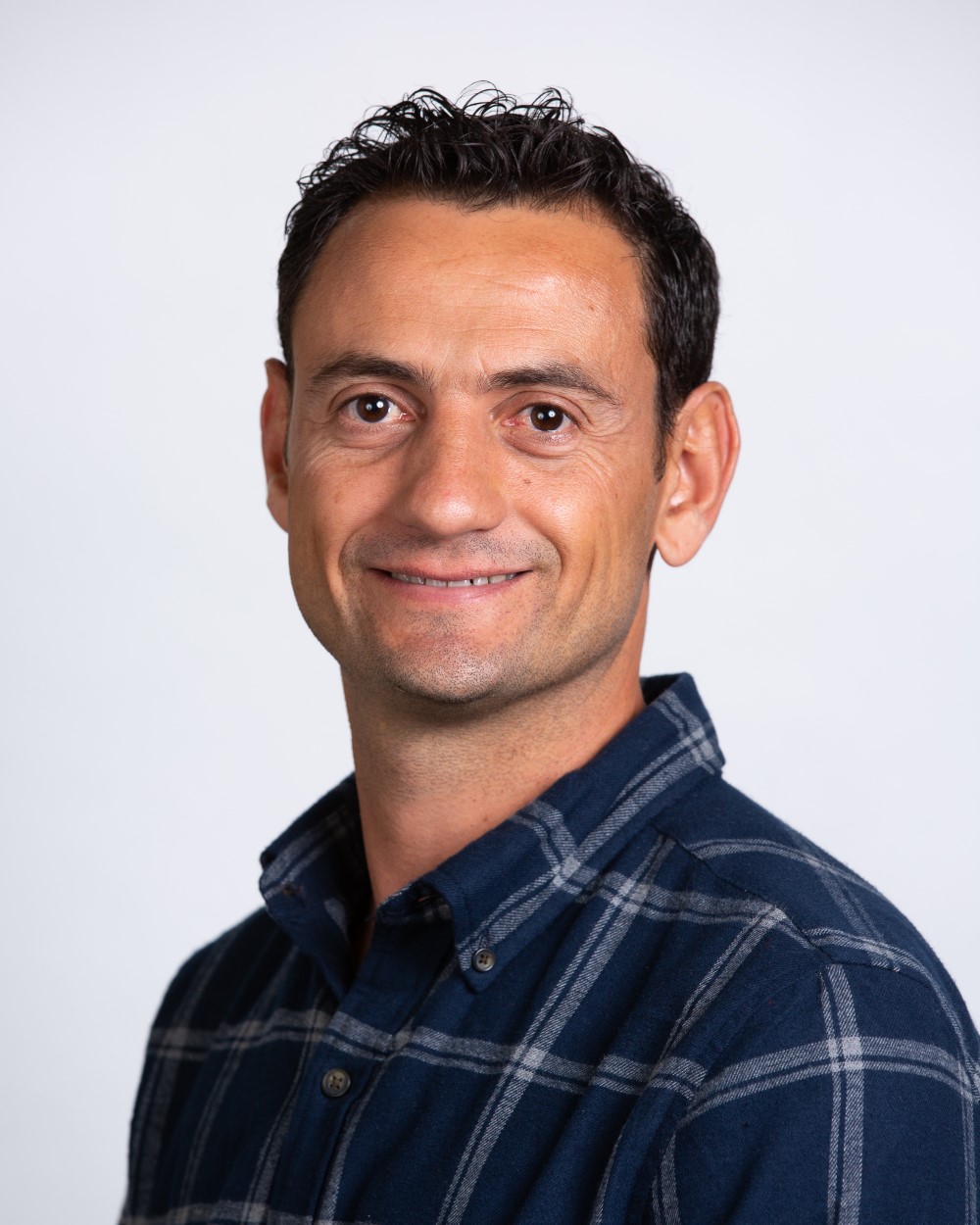
I am a Kinesiology professor at the California State University San Bernardino. I teach [Nutrition for Health, Fitness, and Sports; and Exercise Testing and Prescription ].
Rather than just provide information, I see my job as helping my students learn how to learn; to develop the skills to allow them to take responsibility for what they learn and how they will apply that knowledge. I want my student to become life-long learners and empowered by their own learning and develop as individuals as well as professionals. My teaching philosophy is student-centered, it´s hands on.
My research agenda is under the broad umbrella of Physical Activity and Health, with main focus on childhood obesity treatment.