High Blood Pressure
High Blood Pressure
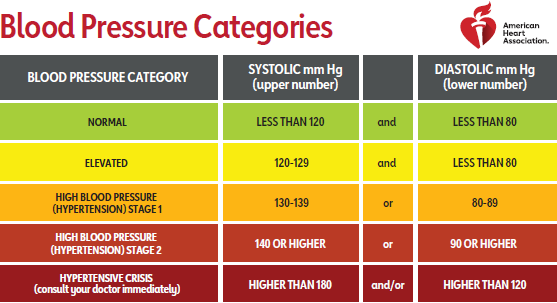
High Blood Pressure affects millions of people in the United States. As a nurse, one of the ways that we insure that a patient is stable is by collecting data on the patient's blood pressure. By helping to lower blood pressure, the patient can avoid heart disease, strokes, and complications such as loss of vision.
By eating healthy and controlling blood pressure, patients can avoid or minimize complications of high blood pressure
High blood pressure is a “silent killer”
- Most of the time there are no obvious symptoms.
- Certain physical traits and lifestyle choices can put you at a greater risk for high blood pressure.
- When left untreated, the damage that high blood pressure does to your circulatory system is a significant contributing factor to heart attack, stroke and other health threats.
References:
American Heart Association: https://www.heart.org
American Stroke Association: https://www.stroke.org
As recommended by the American Heart Association
While heart disease is still the No. 1 killer in the United States and around the world, death rates have decreased significantly. Earlier and better treatment of high blood pressure has played a key role in that decrease.
- Eat a well-balanced diet that's low in salt
- Limit alcohol
- Enjoy regular physical activity
- Manage stress
- Maintain a healthy weight
- Quit smoking
- Take your medications properly
- Work together with your doctor
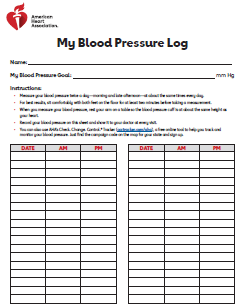
By keeping track of blood pressures, patients can talk to their doctor and take back control.