
Personality Psychology
Personality Psychology
Purpose: to help other instructors teaching the same course
Common Course ID: PSYC 3385: Personality Psychology
CSU Instructor Open Textbook Adoption Portrait
Abstract: This open textbook is being utilized in a psychology course for undergraduate students by Dr. Miranda McIntyre at California State University, San Bernardino. The open textbook was available to students for free through the campus library. The main motivation to adopt an open textbook was to ensure that all students could access the resources they needed to be successful.
Personality Psychology 3385
Brief Description of course highlights: The CSUSB catalog listing for this course is brief: “Survey of the major theories of personality.” Importantly, the personality theories covered in this course are based on empirical studies and research. We often think of personality in everyday, colloquial terms, but the study of personality is a science that goes back over a hundred years!
Studying personality is tricky because we can often be biased by “common sense” ideas about what people are like. Thus, psychologists rely on research to investigate how people actually are, not just how we think they are. Keep in mind that the content of this course is based on scientific findings, which can sometimes differ from your pre-existing ideas about personality and human nature.
Student population: Students who take PSYC 3385 are usually psychology majors in their junior or senior year. Introductory psychology (PSYC 1100) is a required pre-requisite, so students are expected to have some baseline general knowledge of psychology before entering the class.
Learning or student outcomes: After completing this course, successful students will be able to:
- Define personality psychology and its role within psychology
- Describe how personality psychology is studied empirically
- Discuss major theories and perspectives in the study of personality
- Identify connections between personality and key life domains
- Apply personality theories and concepts to their own life
Key challenges faced and how resolved: Some formatting issues with the conversion – the ebook was made to be viewed online, not printed or saved as a PDF.
Personality Psychology: A Student- Centered Approach
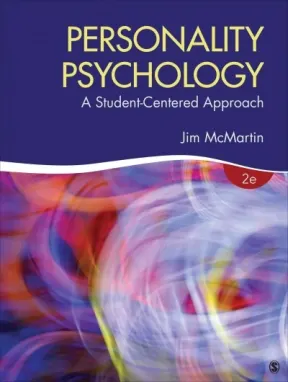 Brief Description: Organizes the field of personality psychology around basic questions relevant to the reader’s past, present, and future selves. Answers to the questions are based on findings from up-to-date research and shed light on the validity of personality theories to help students deepen their understanding of their own personalities. Concise, conversational, and easy-to-understand, the Second Edition is enhanced with new chapters, new research that reflects the latest scholarship, and new photos and illustrations throughout.
Authors: Jim McMartin
Student access: Canvas was used for this class. The textbook was available to students as a full ebook through the CSUSB library website, but individual chapter PDFs were also uploaded on Canvas. Library Link
Cost Savings: There were 93 students enrolled in this class. The cost of the textbook was $0. In summer, I taught the same course with a different textbook that costs $50 to rent through the university (brand new hard copy purchase price is $240, but I actively discouraged students from buying it new).
Realistically, the student savings were about $4,650 ($50 per student x 93 students)
OER/Low Cost Adoption Process
Provide an explanation or what motivated you to use this textbook or OER/Low Cost option. I chose to use a textbook that is available electronically through our campus library to increase the accessibility of the course for all students. I wanted to ensure that all students had access to the resources they need to be successful, especially during the challenges of the COVID pandemic.
How did you find and select the open textbook for this course? Searched for books related to personality psychology through the campus library website. I also cut some topics that have been covered in the class (as they were omitted from this textbook) and added or expanded on others that this textbook did not cover. As a result, I also adjusted or changed the assignments, quizzes, and exam questions to match the updated course content.
Sharing Best Practices: I am active in the Society for the Teaching of Psychology Facebook community (nearly 18,000 members) and have shared my OER experiences with colleagues in that group.
It is difficult or impossible to separate any consequences of adopting this textbook from the much larger, pervasive influences of teaching during a pandemic. I cannot attribute any changes or differences in grades, retention, etc. to the textbook choice when the course modality itself was completely different than normal. The only definite change I noticed was fewer concerns from students about being unable to afford the textbook or not having access because they hadn’t purchased it.
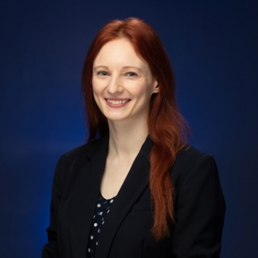
Miranda McIntyre, Ph. D.
Social and Personality Psychology
California State University, San Bernardino
Courses taught:
- PSYC 1100: Introduction to Psychology
- PSYC 2210: Psychological Statistics
- PSYC 3369: Research Ethics and Reproducibility
- PSYC 3382: Social Psychology
- PSYC 3385: Personality Psychology
- PSYC 4425: Advanced Seminar in Personality
- PSYC 6685: Advanced Personality and Social Psychology