Media and Society COMM 360
Media and Society COMM 360
Purpose: to help other instructors teaching the same course
Common Course ID: COMM 360 - Media & Society
CSU Instructor Open Textbook Adoption Portrait
COMM 360 Media and Society
Brief Description of course highlights: Introduction to theories, research methods, and empirical research findings related to the production and effects of mass communication on individuals and society. Surveys various forms of media, provides an overview of the historical formation of various media channels, analyzes the impact of mass communication upon popular culture. (MC) Enrollment Requirement: COMM 100 Satisfies GE Area: DD
This course explores mass media on personal, cultural, institutional, and political levels. The course begins with an introduction to the history of mass media and media studies research. Next, we explore institutional and economic impacts of mass media including the development, production, marketing, and distribution of mass media forms. We will also explore distinct media industries such as television, film, print, audio, and more. Highlighted here are the social, cultural, and economic functions of media forms.
Student Population: The prerequisite for Media & Society is COMM 100: Introduction to Communication. The prerequisite for Television & Culture is COMM 330: Intercultural Communication or COMM 360: Media & Society
Learning or student outcomes: This course is designed to enable scholars to meet departmental learning objectives. Assignments are carefully planned to ensure that upon successful completion of the course, scholars have the opportunity to acquire the skills needed to fulfill the following objectives:
- PSLO #4 Analyze forms and contexts of communication from a variety of intellectual perspectives (philosophical, historical, theoretical, and practical).
Throughout the entire course, focus will be on developing critical thinking and media literacy skills.
- You will learn historical and critical concepts, theories, and methods for the analysis of media systems.
- You will be challenged to understand the use and significance of media in individual, institutional, cultural, and political practices.
- You will be challenged to examine your own media practices and develop media literacy skills.
Describe any key challenges faced and how you resolved them: I did not experience any challenges finding materials for Media & Society. I did not experience any challenges with books for Television & Culture. The only
challenge I experienced was in making streaming television content (Netflix, etc.) available to students. The Media Library was extremely helpful in making DVD content available, but streaming content is not available outside of subscriptions. I adjusted some of the content to ensure that all students had equal access to television content without adding to the cost of materials.
Library eBooks or other library provided resources
Brief Description: Library eBooks or other library provided resources
Cost Savings: Cost savings was 100% because all materials were available through the library. I designed Media & Society as a CALM course. I changed materials in Television & Culture. Previous cost of materials was $50 for the book and $15 for streaming services. Savings is total of $65 per student (36 enrollment) per time I’ve taught the course (2 since CALM so far)
OER/Low Cost Adoption Process
Provide an explanation or what motivated you to use this textbook or OER/Low Cost option. I wanted to get involved with the CALM program primarily to save students money. I regularly hear that the cost of course materials is prohibitive for their full participation in their classes. Cost is a significant barrier to education.
How did you find and select the open textbook for this course? In order to find materials, I browsed OER sites and worked closely with University Librarians. Librarians were incredibly helpful and were crucial in helping me offer no cost materials.
Sharing Best Practices: If you are just getting started with OER, reach out to our librarians. They are knowledgeable and helpful. They are there to support faculty and are dedicated to serving our students.
Amy Corey. Ph.D.
Lecturer of Communication
California State University, San Marcos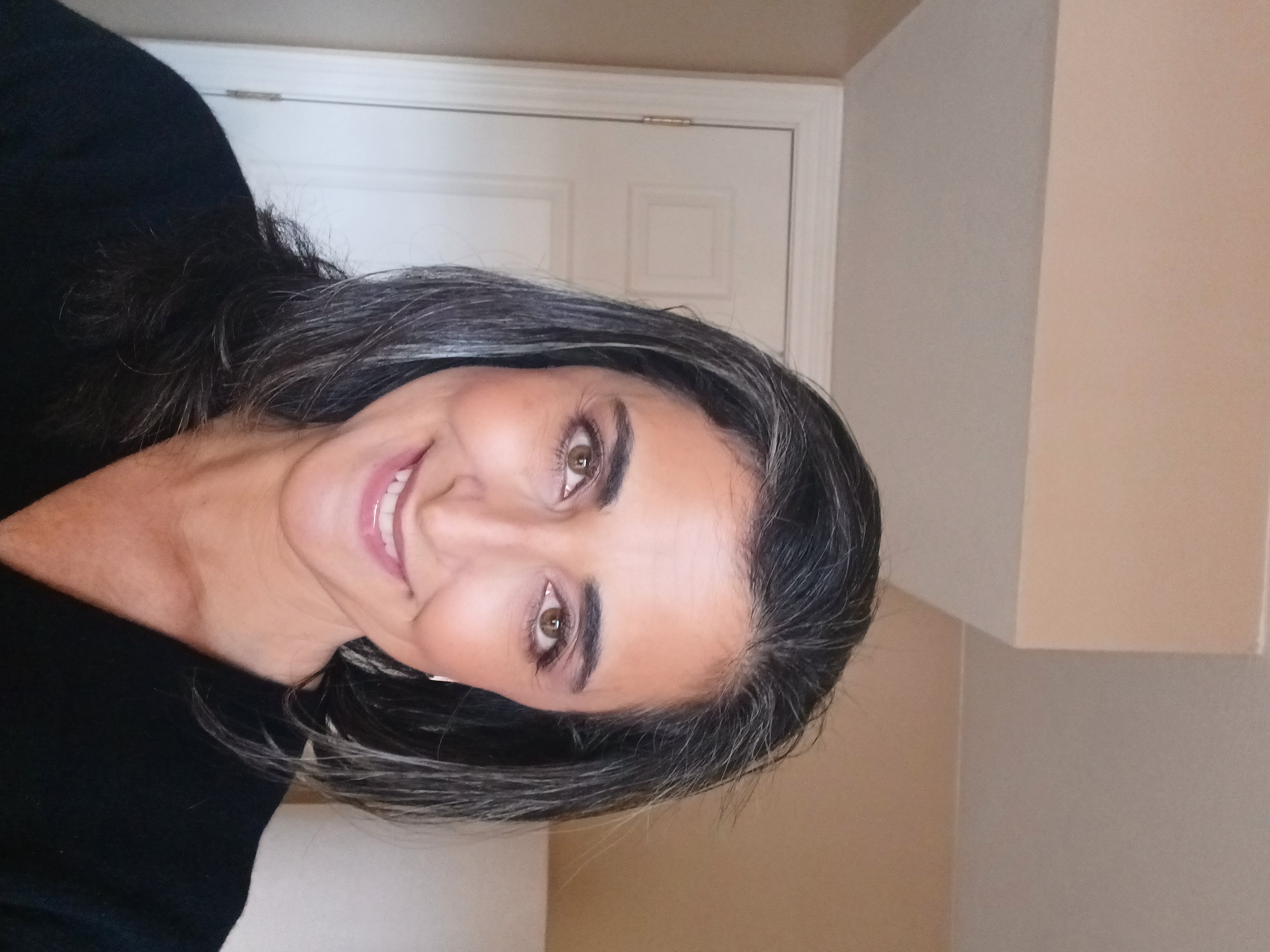
I teach a variety of courses in Communication, Media and Cultural Studies. I am passionate about sharing ideas in the classroom, engaging students, and preparing them to be reflective, critical thinkers who are productive in their workplaces, cultural communities, and civic arenas. My overall goals are for them to gain a deeper understanding of communication concepts, to instill a sense of ownership over their own education, and to build a meaningful connection to our campus community.
The students who take both Media & Society and Television & Culture are Communication and Media Studies majors. Both are upper division courses, and the majority of students are juniors and seniors. They come from a wide range of socio-economic backgrounds.