
General Chemistry I and General Chemistry II, CHEM-2100 and CHEM-2200
General Chemistry I and General Chemistry II, CHEM-2100 and CHEM-2200
Purpose: to help other instructors teaching the same course
Common Course ID: General Chemistry I and General Chemistry II, CHEM-2100 and CHEM-2200
CSU Instructor Open Textbook Adoption Portrait
Abstract: The ADAPT – LibreTexts OER (open educational resources) homework system is being utilized in a General Chemistry course for science major undergraduate students by Larry Mink at California State University San Bernardino. This system provides a complete homework system platform for utilization in General Chemistry. The platform provides the instructor numerous problems to select from. The system allows for auto graded (immediate grading feedback) for both algorithmic and multiple choice questions, as well as for the uploading of open ended problems and delayed grading responses. ADAPT provides features such as assignment opening/closing dates, multiple problem attempts, and late submissions just to name a few. A full grade book is also provided. The main motivation to adopt the ADAPT OER homework system was to provide the students with a cost free homework system. Students register and access ADAPT on-line through - https://adapt.libretexts.org/
Course Title and Number: General Chemistry I/II (2100/2200)
CHEM 2100. General Chemistry I. Units: 4
Designed primarily for the student majoring in biological or physical sciences. Semester Prerequisite: One year of high school chemistry and three years of high school mathematics or their equivalents and completion of or concurrent enrollment in one of the following: MATH 1401, MATH 1403, MATH 1601, MATH 1603, MATH 2210, or MATH 2220 https://catalog.csusb.edu/coursesaz/chem/
Systematic study of fundamental chemical and physical principles and their application to the properties of matter, including atomic structure, molecular structure and bonding, periodic trends in the properties of the elements, gas laws, solution properties, and quantitative relationships involving chemical reactions.
CHEM 2200. General Chemistry II. Units: 4
Designed primarily for the student majoring in biological or physical sciences.
Semester Prerequisite: CHEM 2100 with a grade of C or better and one of the following, MATH 1301, MATH 1401, MATH 1601, MATH 2210, or MATH 2220.
This course deals with the spontaneity, extent and rate of chemical processes. Covers chemical thermodynamics, kinetics, equilibria, including acid-base and solubility equilibria, and electrochemistry. https://catalog.csusb.edu/coursesaz/chem/
Student population:
CHEM-2100: 71 students
Biology majors 39
Chemistry majors 9
Kinesiology majors 6
Others 17
CHEM-2200: 69 students
Biology majors 34
Chemistry majors 8
Kinesiology majors 13
Others 14
Learning or student outcomes:
CHEM-2100: This course deals with Stoichiometry, atomic structure, chemical bonding, states of matter and solutions.
CHEM-2200: This course deals with the spontaneity, extent and rate of chemical processes. Covers chemical thermodynamics, kinetics, equilibria, including acid-base and solubility equilibria, and electrochemistry
Key challenges faced and how resolved: I adopted the free open source textbook OpenStax College Chemistry in the Fall 2017 for my general chemistry classes CHEM-2100 and CHEM-2200, https://openstax.org/details/books/chemistry-2e
In order to offer the classes at Zero Cost Course Materials, ZCCM, to the students the challenge that remained was providing a free no cost quality homework system, which is now available through the ADAPT platform. There are still some aspects of the ADAPT platform which require further development. Such as: the questions are not easily edited by the instructor, the hint feedback from improperly answered questions is not fully developed, having multiple algorithmic versions for the same question in which its specific solution is displayed to the student is not completely developed. These features are currently being developed and the issues resolved. Not having these features did not prevent the successful implementation of ADAPT for both my classes CHEM-2100 and CHEM-2200 spring semester 2023.
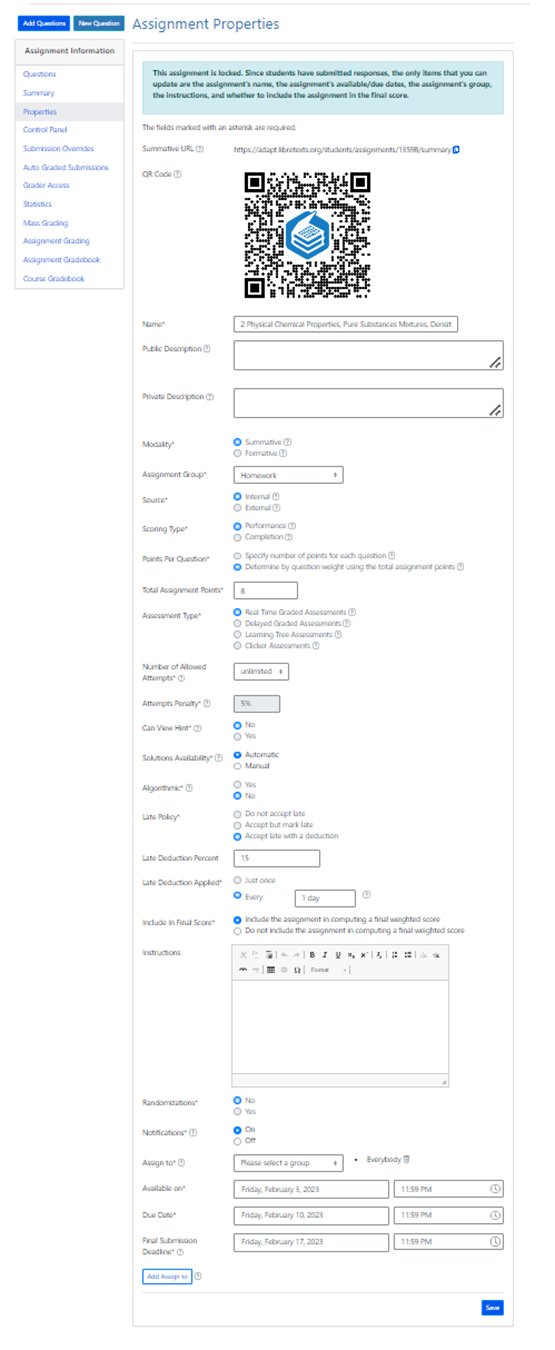
To illustrates how the open homework was used in the course. Weekly auto-graded real time homework assignments were offered in both of my General Chemistry classes, CHEM-2100/CHEM-2200. Over course of a semester 14 homework assignments were developed. Each homework assignment consisted of 10 questions. Here is an example of the 2nd assignment for CHEM-2100.
Syllabus and/or Sample assignment from the course or the adoption
CHEM2100.Syllabus.Spring 2023.04.docx
CHEM2200.Syllabus.Spring 2023.05.docx
Instructor Name: Professor Larry Mink
California State University San Bernardino
I am a Chemistry Professor at California State University, San Bernardino. I teach General Chemistry I and II (CHEM-2100 and CHEM-2200) and Inorganic Chemistry (CHEM-4300).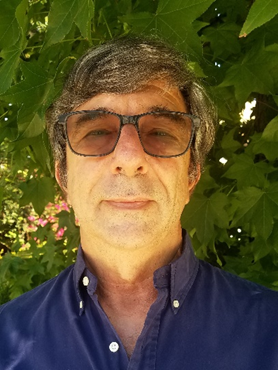
Please provide a link to your university page. https://www.csusb.edu/profile/lmink
Please describe the courses you teach.
Describe your teaching philosophy and any research interests related to your discipline or teaching. I teach the general chemistry sequence for science/chemistry majors, CHEM 2100 and CHEM 2200, as well as upper division inorganic chemistry CHEM 4300. My teaching philosophy is to try and present the material in the simplest and most coherent way to the best of my ability. I feel it is important to clearly present our course expectations to the students, and keep them as simple as possible. I feel the most important thing for the student is they know in advance what is to be expected of them with a clear grading structure. When we are able to provide quality content through available Open Educational Resources, OER, materials we should strongly consider doing so. It is a privilege to be in a position to educate students and help them achieve their academic and career goals.
OER/Low Cost Adoption Process
Provide an explanation or what motivated you to use this textbook or OER/Low Cost option. Save the students money. Therefore, not having cost being a financial burden and a detrimental factor in their academic success.
How did you find and select the open textbook for this course? An initiative of the California Governor’s Office of Planning and Research in partnership with the Foundation for California Community Colleges, Learning Lab aims to improve learning outcomes and close equity gaps across California’s public higher education segments, particularly in the STEM disciplines, by leveraging technology tools and the science of human learning to foster student success in online and hybrid learning environments. https://calearninglab.org/

This project titled “Rebalancing the Equity Gap in Chemistry Education with Individualized Adaptive Learning” was funded in 2020, in which I am one of the P.I.’s.
Sharing Best Practices: There are numerous workshops throughout the year pertaining to CAL OER effort. https://www.caloer.org/
There are many YouTube videos about CAL OER https://www.youtube.com/results?search_query=CAL+OER
There are many YouTube videos on using LibreTexts and ADAPT – LibreTexts
https://www.youtube.com/results?search_query=libretext
Textbook or OER/Low cost Title:
ADAPT – LibreTexts:
Brief Description: ADAPT-LibreTexts is a cost free alternative to conventional homework systems. It allows for the embedding of homework questions into the freely available LibreTexts books: https://libretexts.org/. The platform allows for faculty editing of instructional content and its sequence of presentation. Hundreds of questions are provided for adoption, both types of questions are provided, those requiring numerical inputs (algorithmic) as well as multiple choice The homework system allows for Real Time (auto graded) assignments as well as delayed (uploaded) assignments.
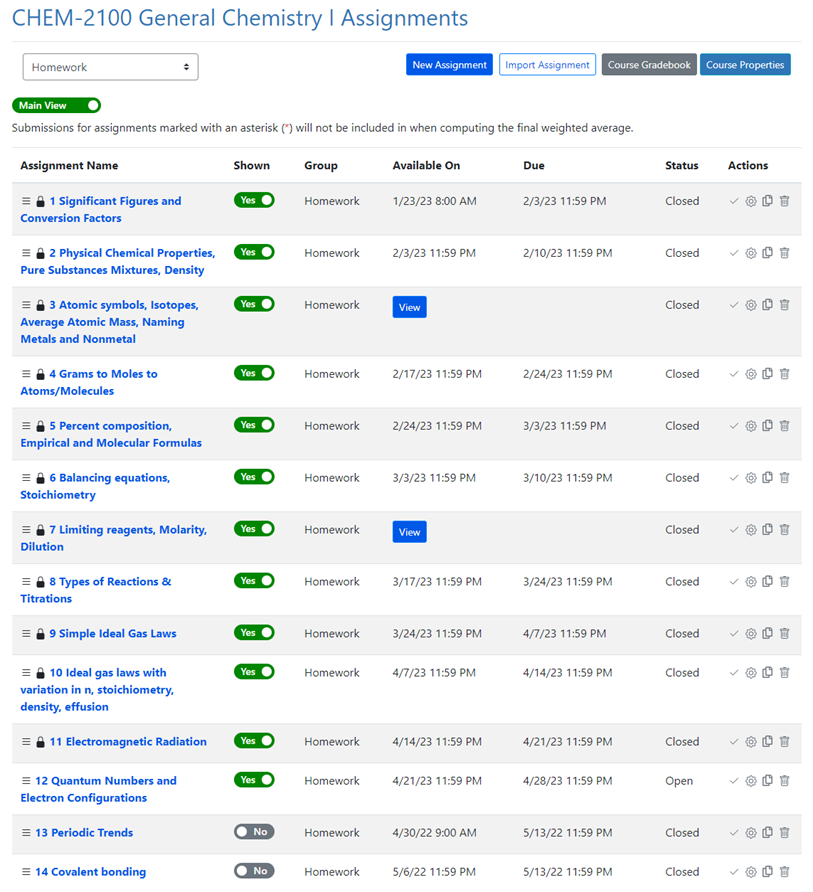
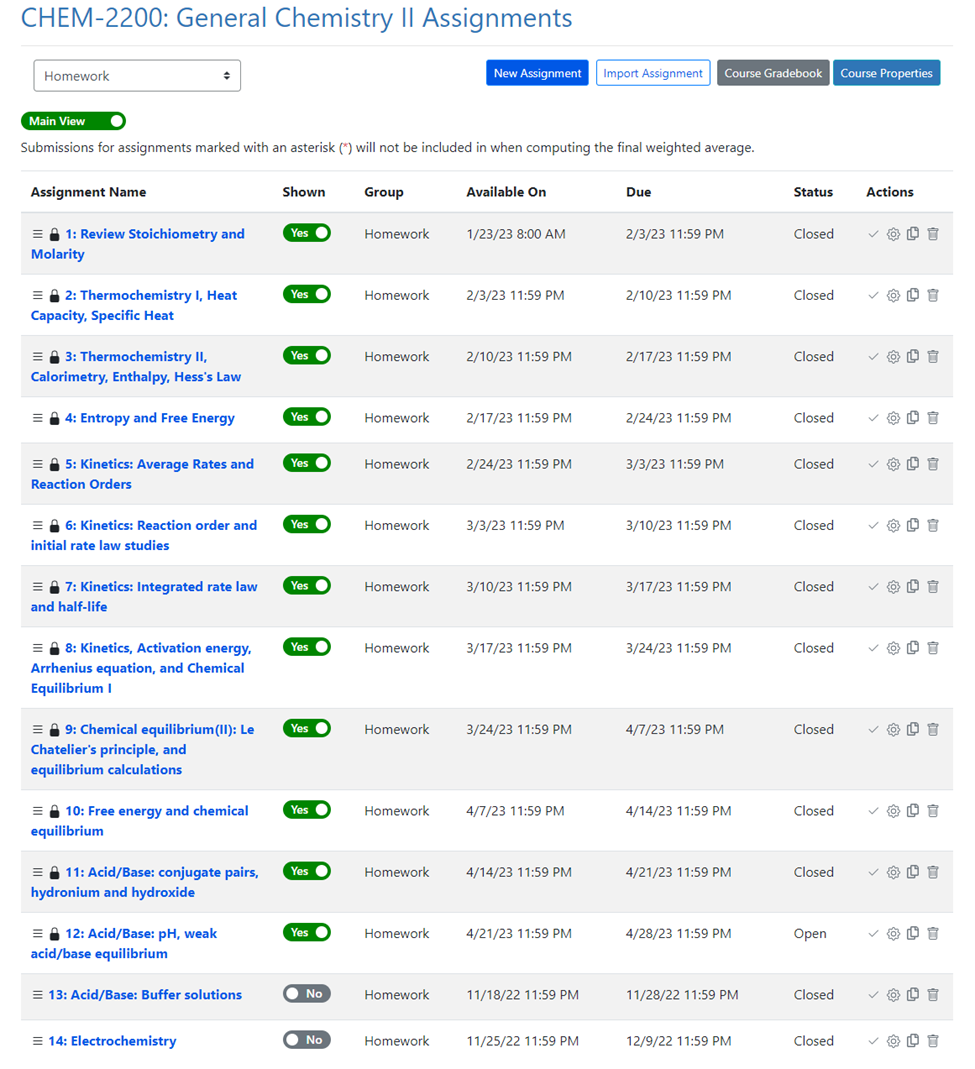
All the functionality such as adjustable assignment open and closing dates, delayed submissions, number of allowed attempts (with or without penalty), weighted scores, and student notifications are available. A complete grading book is provided in ADAPT and can be integrated into a campus LMS.
Please provide a link to the resource https://adapt.libretexts.org
Authors: Dr. Larry Mink
Student access: Online through the internet by any computer, laptop, or mobile device: https://adapt.libretexts.org/
Supplemental resources: https://libretexts.org/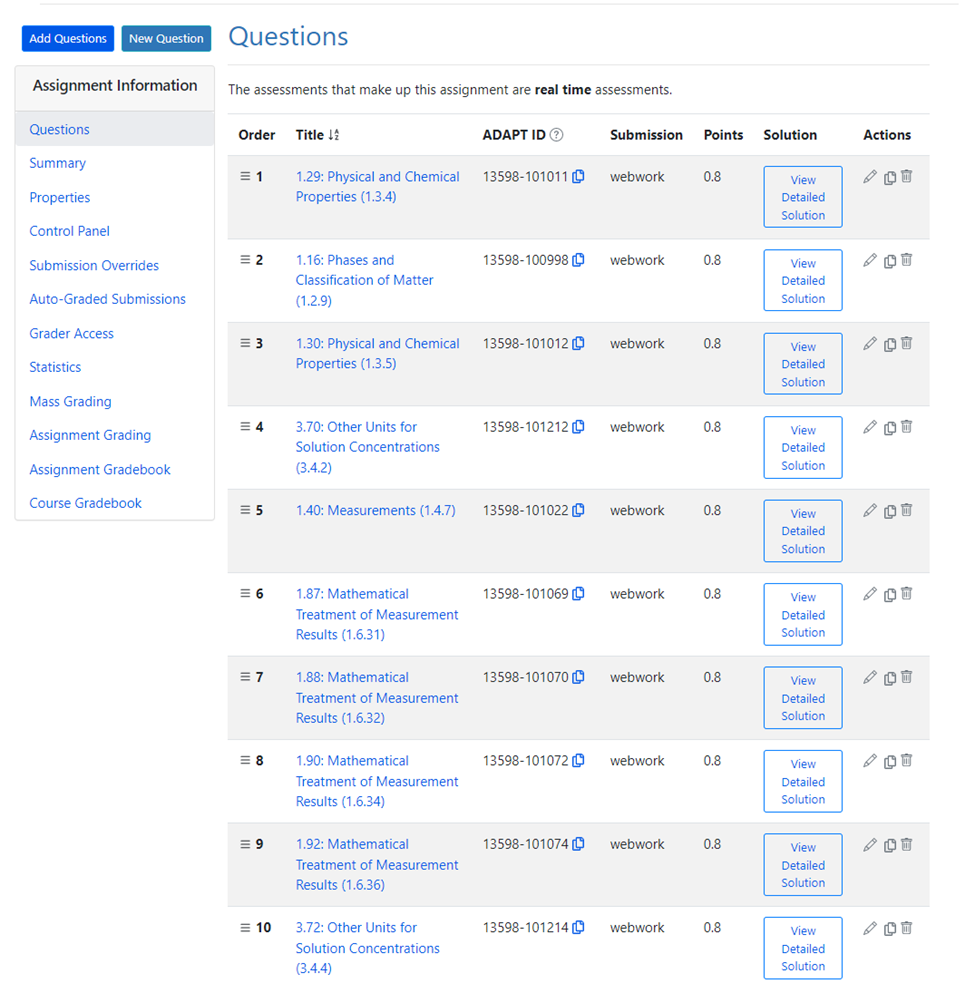
Provide the cost savings from that of a traditional textbook. $42
License: Openly licensed