Chapter 2: Section 1 Introduction
Chapter 2: Section 1 Introduction
Section 1
Introduction to Supplements
Learning Objectives |
|
Definition:
Integrative Health and Medicine (IHM) is a healing-oriented practice that incorporates the relationship between the provider and the whole person (mind, body, and spirit). It also emphasizes the evidence and makes use of all appropriate therapeutic approaches to achieve optimal health and healing.
Statistics:
The National Health Interview Survey (NHIS) is the main source of information on Americans’ health. It’s conducted by the National Center for Health Statistics (NCHS), part of the Centers for Disease Control and Prevention. Once every 5 years, the NHIS includes questions about complementary health approaches.
Previous surveys were broader and included substantially more questions than the current 2017 survey published in November 2018. In the 2012 survey; 34,525 adults (>18 yo) and 10,218 children reported that 33.2% of the Adult American population and 11.6% of American Children used some form of complementary health approaches. It was more common for women than men and those patients with higher education and income. One alarming survey indicated that 72 % of patients didn’t report IHM approaches to the health care provider. However; 29% of Americans did utilize provider recommendations.
Per the American Botanical Council Herbal Gram herb Market Report Fall, 2021 report. The cost of utilizing IHM in 2020 was $11.231 Billion US dollars. This is an increase of 17.3% in total sales from 2019. The increased sales of immune health, stress relief, and heart health supplements grew during the COVID-19 pandemic. Most common supplements sold included: Elder Berry to help with COVID improve the immune system, Ashwagandha an Adaptogen herb to help the body to resist or adapt to stress, and Apple cider vinegar to act like a probiotic.
Why Do People Use IHM?
Consumers indicate that they are dissatisfied with the results of conventional therapy. That there is a lack of disease-curing in conventional chronic disease management therapy. We also have dramatic reports from the media to help with magic weight loss or to improve sexual enhancement. Patients feel empowered when they don’t need a prescription for an herbal product or a referral to see an IHM provider. But mostly IHM is focused on spiritual and emotional wellbeing. The patient believes that natural supplements are better than synthetic prescriptions. Those herbs are not like “drugs”, they don’t have side effects, and are regulated, standardized, and safe. But they have been sold for thousands of years so they must be great. Unfortunately, there are fallacies to the statements above that we will be discussing in this chapter.
Integrative Health and Medicine Modalities
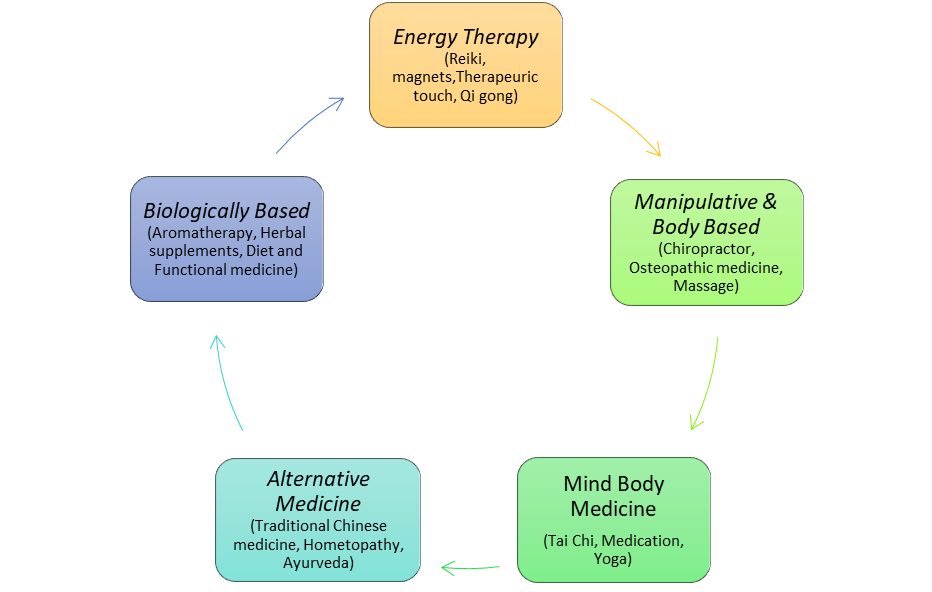
There are a variety of different IHM treatment modalities. This is not a comprehensive list but a great sampling of treatment options that United States patients utilize. Our focus will be on the biologically base system of Herbals/supplements.
Biologically Based Systems are substances found in nature. Examples include: Herbals, Vitamins & Diet. Per the 2012 National Health Interview Survey, 17.7% of adults and 4.9% of children utilize natural products that consist of Vitamins, Minerals, Herbs, Botanicals, Amino acids, Enzymes, Organ tissue, and Metabolites. In the next section, we will cover the top herbals used in the United States.