Chapter 3: Autobiography vs. Memoir
Chapter 3: Autobiography vs. Memoir
What's the Difference?
Biography is an account of someone's life, written by someone else. These are based on interviews, letters, journals, photos, newspaper articles, etc. It is factual and fact-checked.
Autobiography is an account of someone's life, written by that person. It typically covers the person's entire life in chronological order. It is factual and fact-checked.
A memoir is a collection of narratives in which the author remembers experiences, emotions, or events from a specific time. It's a part of the nonfiction genre but with a focus on themes - childhood and family, spiritual journey, celebrity's origin story, etc. and these are often known as personal essays. It is factual but not usually fact-checked.
The biggest difference among these three is an autobiography and biography are stories OF a life and a memoir is a story FROM a life.
Structure of a Memoir
A memoir includes:
1) Flashbacks - the author jumps back and forth between the past and present to provide a backstory
2) Chronological - like an autobiography, a memoir writes about the events in the order that theyhappened. However, flashbacks might be used to enhance a scene or present knowledge about the situation from the perspective of the present that the memory doesn't have
3) Themed - memories are specific to a theme, e.g. childhood, celebrity life, coming of age love story, adventure, nature, growing up, career, spiritual, etc.
4) Overcoming - we often ask in memoirs, why is this story important and worth telling? Why does the author think this information is important to share with others?
How do you get started?
Easy! You start by identifying the story you want to tell. Ask yourself, what's the story you want to tell but you never get the chance to tell?
"Remember that you have all the colors to choose from; and while choosing one color means forgoing others, remind yourself that your coffee can of pieces will fill again. There will be another quilt at the back of your mind while you are piecing, quilting, and binding this one, which perhaps you will give to one of your daughters..." (Mary Clearnman Blew from The Art of Memoir when advising writers how to write multiple memoirs)
There are important terms you need to know as a creative nonfiction writer.
Libel which is a false and defamatory statement, in writing, concerning a person, that has been published to a third party.
Defamatory which is tending to harm the reputation of the person who is the subject of the statement.
Libel Law Every Writer Should Know - If what you say is true, it cannot be libel, and you can't libel a dead person. You can pretty much say whatever you want about the dead. States usually don't have any interest in protecting anybody's interest in the deceased person's name.
Libel Law REQUIRES authors to be certain that what they write is true. Every state's law must conform to the First Amendment prohibition against "abridging the freedom of speech or of the press." The First Amendment protects truthful statements.
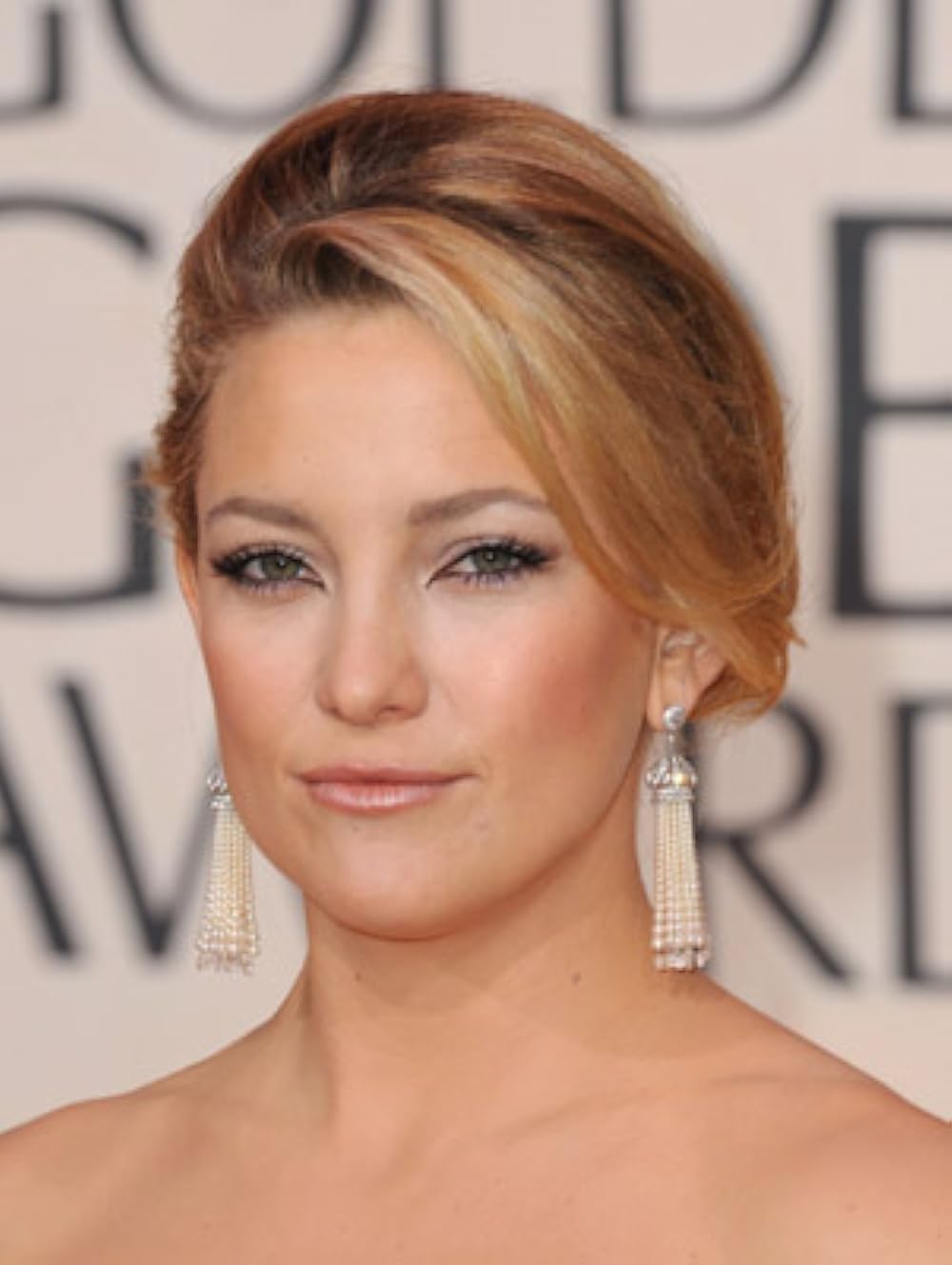
(Image Source: IMBd)
Who: Kate Hudson
When: 2005/2006
What Happened: The National Enquirer (UK edition) published an article about Hudson's eating habits, implying the actor had an eating disorder and was "looking like skin and bones." The magazine included a photograph of Hudson looking frail with a headline, "Goldie Tells Kate: Eat Something!" In this case, Hudson won, and the publication agreed to pay undisclosed damages and print an apology.
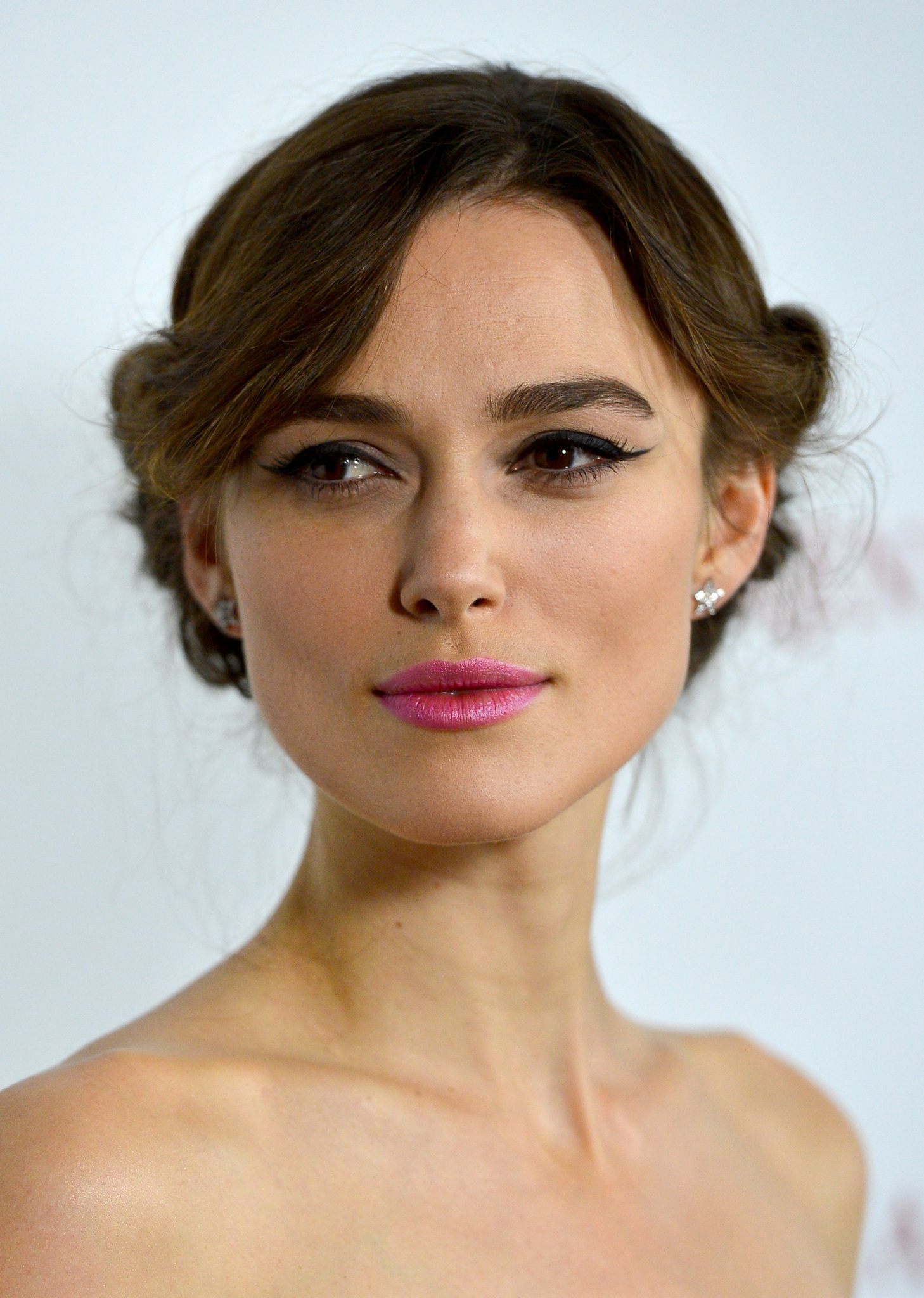
(Source: IMDb)
Who: Keira Knightley
When: 2007
What Happened: Daily Mail published a photograph of Knightley at the beach and referenced her slim figure in an article reporting the death of a teenage girl who suffered from anorexia. The headline for the photo read: "If pictures like this one of Kiera carried a health warning, my darling daughter might have lived." The article implies that Knightley also struggles with anorexia or the suggestion that she was to blame for the death. Knightley won the $6,500 settlement, which she donated to Beath, an eating disorder and mental illness charity.
Before this discussion, read the excerpts provided in Canvas from Geisha, A Life by Mineko Iwasaki (a creative nonfiction text) and Memoirs of a Geisha by Arthur Golden (a work of fiction).
Discussion Questions:
1) What do you notice about the tone of voice in Memoirs of a Geisha versus Geisha, A Life? How does the narrative perspective differ between the two works and how does this difference influence the portrayal of the geisha world and the characters within it?
2) Geisha, A Life is an actual work of creative nonfiction, whereas, Memoirs of a Geisha is not. What differences do you notice between the two texts?
(Source: Now Playing, YouTube)
After watching the clip from the movie Memoirs of a Geisha what similarities do you notice when comparing the film to the text? What differences do you notice?
How would you compare the main characters from the written texts with the characters in the video clip? Analyze the portrayal of Sayuri/Chiyo, Hatsumomo, Mameha, and Pumpkin from the book and the film. How do their personalities, motivations, and character arcs differ between the two mediums?
In what ways does Geisha, A Life provide a more authentic portrayal of the geisha culture compared to Memoirs of a Geisha? Consider elements such as cultural nuances, historical accuracy, and insider perspective. How do these elements transition to film?
(Source: India Scarlett, YouTube)
In the video essay above, India Scarlett, researches the critical reception of both texts and provides an overview of the controversies and criticisms regarding cultural appropriation, misrepresentation, inaccuracies, and defamation from Memoirs of a Geisha.
Elements of a Video Essay:
This is a brief introduction to the video essay (we will cover this in more detail later):
1) Strong Thesis - A video essay is supported by a strong thesis, research, and plenty of supporting resources such as interviews and articles. Example: Every Frame a Painting.
2) Narration / Voice-Over - Many video essays are produced with a written script allowing essayists to write out exactly what they want to share or write as they edit (supercuts creates a theme visually). Example: Screen Junkies
3) Visuals - The biggest advantage ofvideo essays is the visuals. These are the additional resources, images, and clips that are shared to support and draw emphasis on what's shared by the narration. This makes points and lessons more clear and less redundant.
4) Technique - Video essays are often storyboarded and planned out before pushing that record button. It also includes a focus on camera movement and transitions and good editing.