Chapter 5: Podcasting
Chapter 5: Podcasting
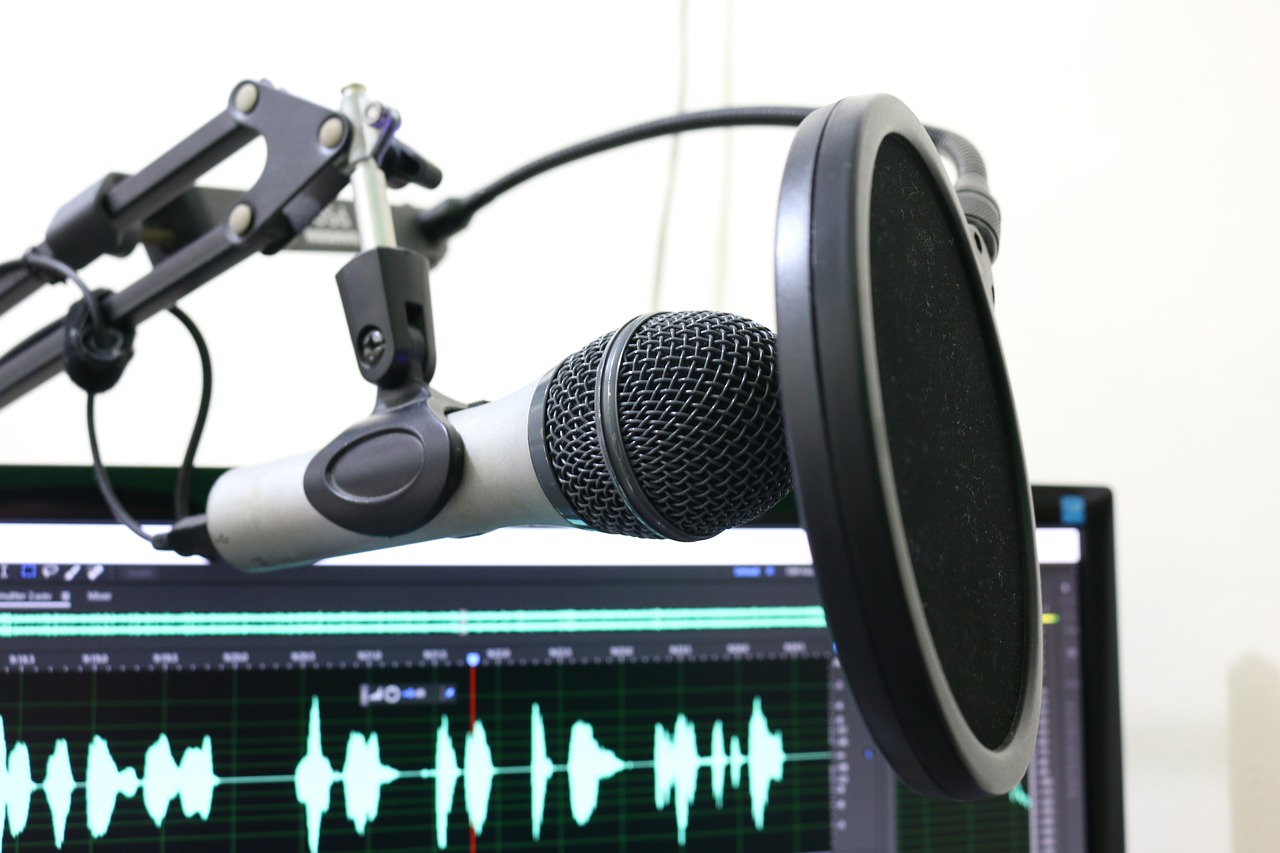
A podcast is a digital audio or video file that is available for streaming or downloading on the internet. It is typically part of a series, with new episodes released regularly. Podcasts cover a wide range of topics. Unlike traditional radio or television, podcasts are on-demand, allowing listeners to choose when and where to consume content.
Podcast Characteristics
- Subscription: Access is often free, allowing more accessibility and convenience. Users can subscribe for additional benefits.
- Accessibility: Access through various platforms. Podcasts are easy to discover and enjoy.
- Diverse: Podcasts cover a plethora of topics with a wide range of voices and perspectives.
- Long-Form: Podcasts are not bound by traditional time constraints like film and television. This allows flexibility for in-depth discussions and exploration of topics.
- Engagement: Podcasts often build a community of engaged listeners through shared ideas, social media, feedback, and online forums.
- Independent: Anyone can create a podcast. This allows creators to have creative freedom and control over their content.
- The 2000s - The term “podcast” is “iPod” and broadcast - but the concept predates the iPod's release.
- 2004 - The first “official” podcast was Daily Source Code by Adam Curry
- 2005 - Apple integrates podcasts into iTunes providing more accessibility to podcast content
- 2010 - There is a surge in podcast creation. Notable podcasts like "Serial" bring mainstream attention to the medium.
- Current - Podcasts earn mainstream recognition. Celebrities, public figures, and major media organizations have entered the podcast space. Monetization and sponsorship options are now available.
Interview or Panel Discussions
For these types of podcasts, the conversation is dynamic, there is usually a diverse guest lineup, and the dialogue is well-balanced between the speakers, especially in panel discussions. Recommended Interview and Panel Podcasts:
Solo
Solo-type podcasts are more focused on one host who shares personal connections, stories, opinions, and insight. This usually creates a consistent voice. A lot of people create solo podcasts so that they have complete control of the content instead of working with an organization and its policies. The host is usually responsible for planning, scripting, recording, editing, and publishing the podcast. Recommended Solo Podcasts:
- Advice-Based Shows
- Reviews
- Stories
- Pep Talks
- Investigations
Storytelling
Storytelling podcasts can also be considered solo podcasts but the focus is more on the narrative structure and creating an engaging story arc. Elements in production might also include sound design to enhance the immersive experience. Recommended Storytelling Podcasts:
Listen to Episode 3: Stories We Missed, Vasectomies, and Moby Dick by Strike Force Five
About Episode: How have five showless hosts been keeping busy? What’s the news story they wish they hadn’t missed? What’s going on inside their pants? Find out on Episode 3 of “Strike Force Five” with Stephen Colbert, Jimmy Fallon, Jimmy Kimmel, Seth Meyers & John Oliver. All proceeds go to their out-of-work late-night staff during the strike. Time: 57 minutes
Discussion Questions:
- What were some of the themes introduced in the episode and how were they discussed among the group of speakers?
- This podcast has several speakers, how do you think the flow worked with this many speakers? Did you hear a dominant voice over the others?
- What was your favorite moment or quote from the episode? Why?
- This episode was created in response to the Hollywood Writers' Strike and the proceeds of which went to their striking staffs. The purpose of the episode was to raise funds and awareness of the strike but the topics seem a little more geared toward a specific audience. Do you think the topics may have limited their audience and impacted funds raised for their cause? How do you think the tone would be different if a female speaker was included on the panel?
Listen to Introducing Allergens: What We've Been Getting Precisely Wrong
About Episode: You probably remember peanut butter being everywhere when you were a kid: commercials, birthday parties, packed in your school lunchbox. Now peanuts are notable for their absence. What accounts for such a dramatic change in such a short amount of time? When did something so commonplace become so high-risk? Dr. Gideon Lack led the study that aimed to understand what happened. Today on ParentData, he explains the precipitous rise in peanut allergies over the last twenty years, our own unfortunate role in the rise of allergies, and the best ways to safely introduce allergens to your babies. Time: 45 minutes
Discussion Questions:
- What were some of the themes introduced in the episode and how were they discussed among the group and host?
- The podcast episode includes several media clips, in the beginning, to help enhance the listener's experience while introducing the topic of peanut butter allergies. What was the impact of these clips on your listening experience?
- What was your favorite moment or quote from the episode? Why?
- Emily Oster (host) gives a perspective on introducing peanut butter to kids before 1 year. In a way, Emily is "debunking" what parents are told by medical professionals. How does Emily's credibility help (or hurt) the statements and advice she gives to her audience? What is her credibility?
- Buzzsprout, 2024. How to start a podcast: Complete step-by-step guide
- Jonathan Carson, 2020. Medium. The Best Cheap Podcast Gear for Beginners (Less Than $200)
- Lisa Harroy, 2023. Riverside. Solo Podcasts 101: Ideas, Best Examples, and Easy How to Guide
- Lena Sernoff, 2023. Wix Blog. How to start a podcast: Everything you need to know to succeed