Chapter 7: Six-Word Memoir
Chapter 7: Six-Word Memoir
Flash fiction, epitomized by the six-word story, is an art form that distills storytelling to its most essential elements, challenging writers to convey meaning in a limited space. Within these six words, several crucial elements often emerge, creating a concise narrative that lingers in the reader's mind.
Elements of Flash Fiction
- Brevity is Key - each word holds significant weight.
- Example: Ernest Hemingway's "For Sale: Baby Shoes, Never Worn." Themes of grief, sorrow, and loss
- Implication and Suggestion Play Pivotal Roles - the reader is an active participant, filling the gaps with their imagination and experiences.
- Example: Strangers. Friends. Best Friends. Lovers. Strangers. Themes of friendship, relationship cycle
- Emotions Form Through Evocative Language
- Example: Heard the forecast. Stayed. Soaked. Transformed. Themes of resilience, personal growth, and universal experience
- Unexpected Elements - this is what often leaves a lasting impact on the reader.
- Example: Dave Egger's Found true love. Married someone else. Themes of surprise endings, challenge assumptions, prompt reflection
- Vivid Imagery - Imagery enhances storytelling.
- Example: Sunset: Crimson Sky, Hearts Intertwined Forever. Themes of strong visuals while hinting at an enduring connection
Six Words Are The Way In by Larry Smith | TEDxMarionCorrectional. Video Link. 13 min.
Larry Smith is the founder and editor of SMITH Magazine, and its younger cousin, SMITH Teen. SMITH Magazine is known for launching the Six-Word Memoir Project, which is a bestselling book series and a global phenomenon.
"Tell Me Your Life Story in Six Words?"
Activity: As a group or on your own, review several entries from the Six-Word Memoir Project website. Pick 2 and write a brief analysis of what you think that memoir is saying. What themes are present?
Then, write your own six-word memoir to the following prompts (all available from the Six-Word Memoir Project site:
- Past and Future: "Firsts" in Six Words
- Describe Your Life in Six Words
- The Wildest Year Ever: Share Six Words on Your Life During the Pandemic
- Share Six Words on Food from Memorable Meals to Locavore Living
LEGO Serious Play is a kit created by LEGO designed to be used in guided workshops with adults to prompt dialogue and encourage reflection, as well as develop problem-solving skills and use of imagination.
Let's Say You're Asked to Create a Polar Bear Out of LEGO: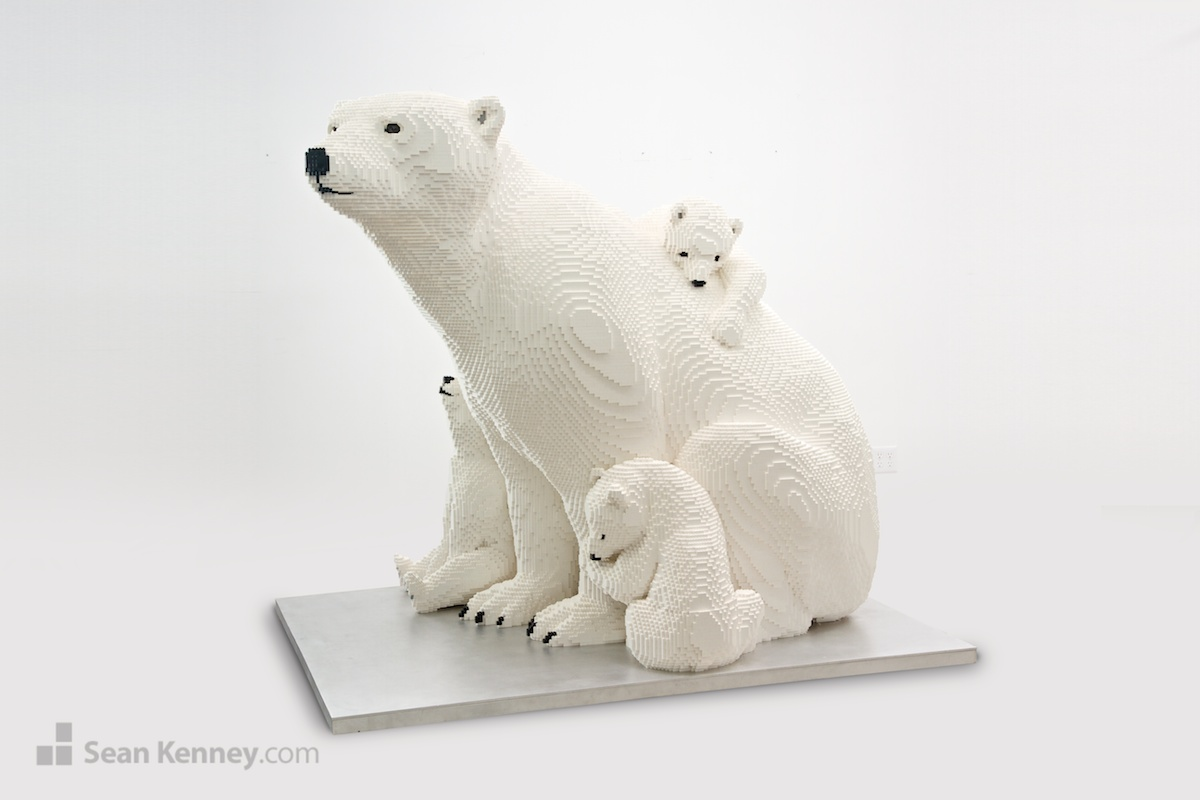
(Source: Sean Kenney)
Artist Sean Kenney's representation of a polar bear would include 125,000 LEGO pieces and would weigh about 625 lbs. See the building process here. A child might use a LEGO DUPLO block to represent a polar bear. DUPLO is a LEGO brick that is a 2:1 scale, being twice the size of a standard LEGO brick. These pieces usually come in kits, like this arctic kit.
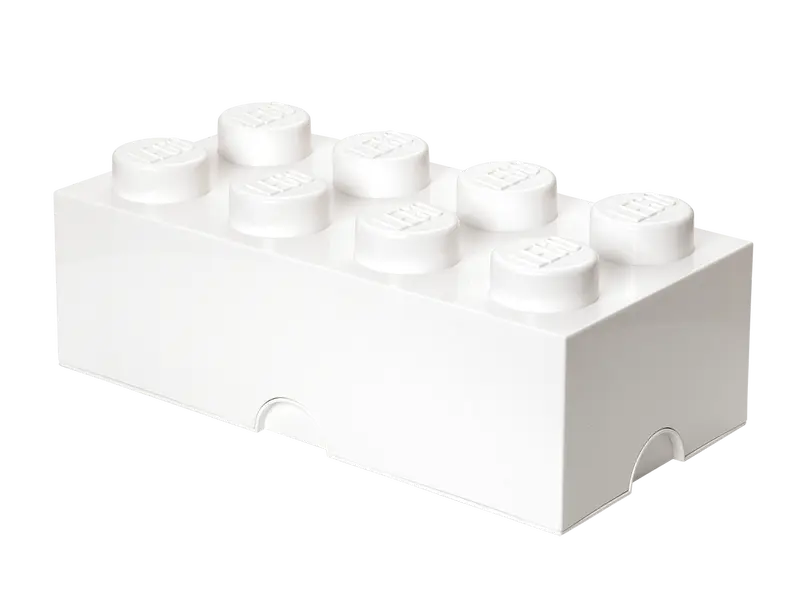 Using LEGO Serious Play kits, you would find a LEGO that would "represent" your idea. In this case, you could use a long white brick to represent your white polar bear. You assign meaning to this brick by giving it a purpose, using as few LEGO bricks as possible.
Translating this idea to storytelling, LEGO Serious Play uses storytelling techniques for individuals to represent their ideas. Instead of using bricks to share ideas, we use words; ideally as few words as possible so that our words have an impact.
ACTIVITY 1: Using a LEGO Serious Play kit or a handful of random LEGOS (you'll need a variety of LEGO types), select ONE LEGO brick to represent yourself. You have 1 minute to select your brick.
ACTIVITY 2: Using a LEGO Serious Play kit or a handful of random LEGOS (you'll need a variety of LEGO types), build a model of yourself using LEGO bricks. You'll have 3 minutes.
Think about how the bricks you are using represent you. When the timer goes off. Share your model with another person, taking the time to explain how each brick chosen reflects who you are. To align with storytelling, think about how your model has only a few bricks but tells an impactful story.
Class Discussion: In Activity 1, you described yourself with one brick. In Activity 2, you used multiple. Which was easier and why?
How does LEGO help us think about imagery?
When writing six-word stories, we have to be intentional about what words we use. How were you intentional about the bricks you used to tell your story? Why did you pick those bricks over other options?
(Activity Credit to Caroline Beach and Bethanie O'Dell)