Sapiens.org and TheConservation.Com
Sapiens.org and TheConservation.Com
Purpose: to help other instructors teaching social science and humanities courses
Common Course ID: ANT 334 Mesoamerica Past and Present
CSU Instructor Open Textbook Adoption Portrait
Abstract: These open educational resources are being utilized in an Anthropology course for undergraduate students by Dr. Ken Seligson at California State University Dominguez Hills. These OERs provide introductions to anthropological concepts through short articles about current events geared towards a general audience. The main motivation to adopt these open educational resources was to limit the financial burdens of the students who enroll in this course, many of whom do so to fulfill a course requirement. Most students access the resources using links provided directly for the articles through the websites.
Course Title and Number: ANT 334 Mesoamerica Past and Present
Brief Description of course highlights: Explores historical and contemporary trends among the diverse cultures of Mexico and Central America from Pre-Columbian era to today. Focus on indigenous peoples and relationships between indigenous and nonindigenous peoples. https://catalog.csudh.edu/courses/ant/
Student population: Almost all the students in the class are undergraduate students looking to complete their General Education Area D3 (Integrative Studies in the Social Sciences) requirement. There are usually a handful of Anthropology Majors or Minors as well.
Learning or student outcomes: Students who successfully complete this course will be able to:
- Understand the relationship between key concepts in anthropology and their application to human problems in Mesoamerica and communities of Mesoamerican heritage. (theoretical comprehension)
- Establish a rapport with community partners of Mesoamerican heritage and engage in a collaborative story-telling and –recording project (engagement with community partners)
- Reflect on connections between the stories shared by community partners and the effects of globalization on the peoples and cultures of Mesoamerica. (reflection)
- Make connections between the stories and/or knowledge shared by community partners and broader socio-political or economic issues facing communities throughout Mesoamerica and in the Mesoamerican diaspora. (critical thinking)
- Deliver a digital record of the community partner’s story that can be preserved and accessed by them, other CSUDH students, and the broader community to contribute to a broader archive of firsthand accounts of contemporary Mesoamerican cultural practices and shared memories. (Dissemination of findings and reciprocity)
Key challenges faced and how resolved: There were no challenges faced in incorporating these resources into the course. In the past, instructors used the hard copy version of a textbook for this course, but it makes much more sense to use these digitally accessible open resources in the course now.
Title: Sapiens.org and TheConversation.com
Brief Description: Sapiens.org is a digital Anthropology magazine and TheConversation.com is a public-facing website that provides a platform for academics to share their research in a non-scholarly arena with a broader audience. Both websites can be used to introduce students to a broad array of anthropological concepts and topics through explorations of current events and historical trends. I can find an article pertaining to nearly every course lesson I have for ANT 334 that provides students with an additional perspective through a practical, case-study lens.
Please provide a link to the resource
Sapiens.org - https://www.sapiens.org
Specific articles:
- How Filipino Sailors—and Coconuts—Helped Create Mexico’s National Drink
- A Mammoth Find Near Mexico City
- Chasing the Myths of Mexico’s “Superrunners”
- How Some Tried—and Failed—to Kill “Race” in Latin America
TheConversation.com - https://theconversation.com/us
Specific article examples:
- Mexico City buried its rivers to prevent disease and unwittingly created a dry, polluted city where COVID-19 now thrives
- Day of the Dead: From Aztec goddess worship to modern Mexican celebration
- Americans might love Cinco de Mayo, but few know what they’re celebrating
- Guatemala’s history of genocide hurts Mayan communities to this day
- What Day of the Dead tells us about the Aztec philosophy of happiness
- Mexico’s masked Marxists: meet the Zapatistas
Authors: Various authors
Student access: The students access the websites through links I provide on the course Canvas page. They can either read them directly online or download them as PDFs.
Provide the cost savings from that of a traditional textbook. The hard copy version of the textbook that used to be used for the class was close to $80
License: The material is copyrighted by the respective websites
OER/Low Cost Adoption Process
Provide an explanation or what motivated you to use this textbook or OER/Low Cost option. My main motivators for adopting these online accessible resources textbook were to save students money, as well as to make sure they could access the material no matter where they were as long as they had an internet connection.
How did you find and select the open textbook for this course? ? I was already familiar with these websites and used their search functions to find articles that were specifically related to ANT 334 topics.
Sharing Best Practices: In planning a new course or updating an existing course for a new semester, I always try to find ways to make the reading materials as accessible and low cost as possible for my students. Online textbooks that can be made available through my University Library and publicly-accessible websites are usually my first thoughts and I can always find relatable material on Sapiens.org and TheConversation.com.
Describe any key challenges you experienced, how they were resolved and lessons learned. No issues! Not only are there plenty of articles to choose from on these two websites, but they are written by authors who represent a diversity of backgrounds and perspectives, which is also super helpful.
Instructor Name: Ken Seligson
I am an Anthropology professor at California State University Dominguez Hills. I teach Ancient Civilizations, Ancient Peoples of Mexico, Mesoamerica Past and Present, Archaeological Techniques and Methods, and our Proseminar in Anthropology.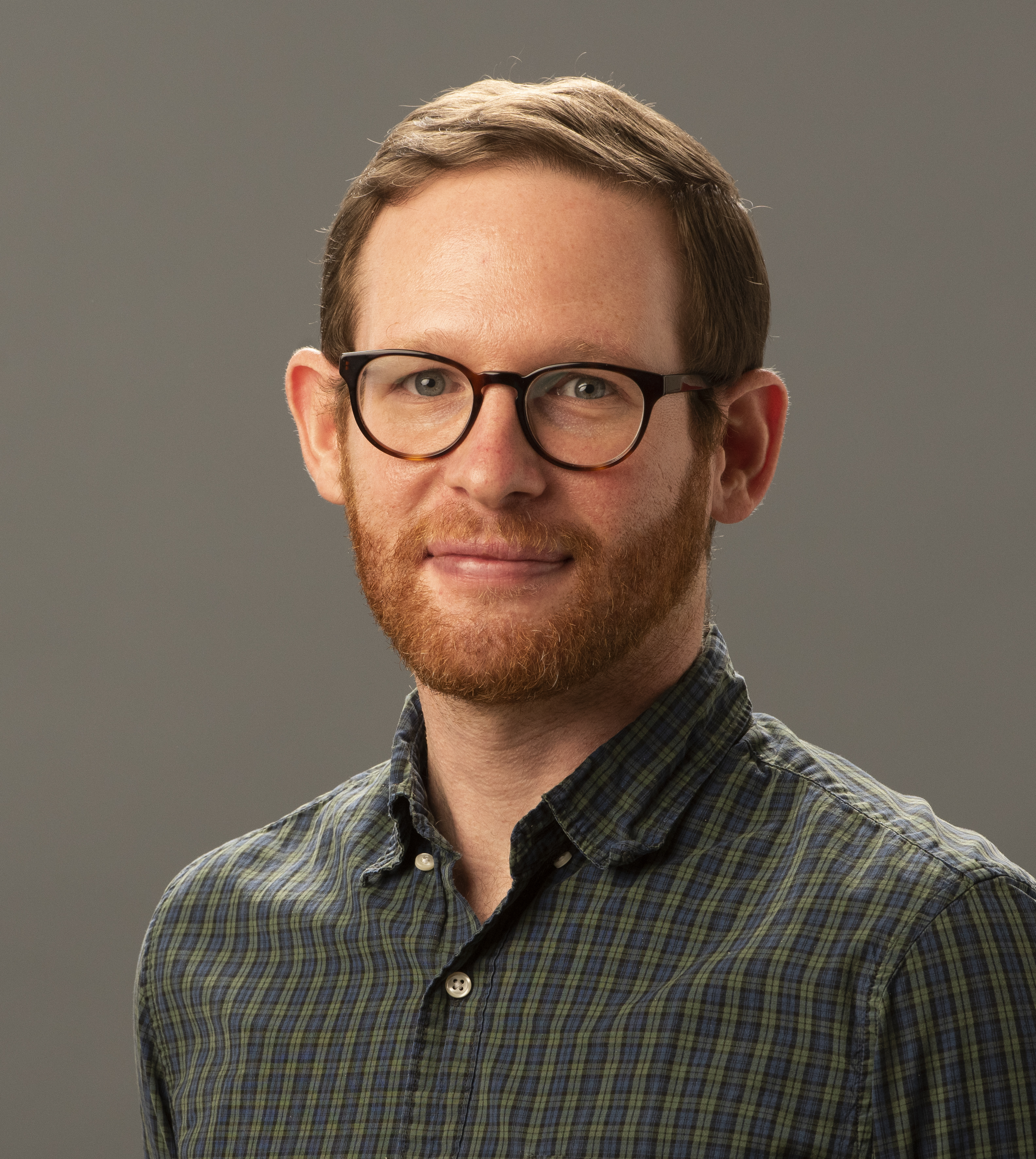
Please provide a link to your university page.
https://www.csudh.edu/anthropology/faculty/kenneth-seligson
Please describe the courses you teach.
ANT 102: Ancient Civilizations examines the origins and development of world civilizations. Using evidence from the archaeological record, the written record, the arts, literature, and the sciences, human cultural achievements are examined from the earliest beginnings to the sixteenth century.
ANT 333: Ancient Peoples of Mexico examines the history and archaeology of cultures of Central Mexico and Guatemala. Alternating topics include the rise of the Olmecs to the establishment of Teotihuacan and Tenochtitlan and the rise of Izapa to the development of classic and Postclassic Maya Civilization.
ANT 334: Mesoamerica Past and Present explores historical and contemporary trends among the diverse cultures of Mexico and Central America from Pre-Columbian era to today. Focus on indigenous peoples and relationships between indigenous and non-indigenous peoples.
ANT 313: Archaeological Techniques and Methods covers the basic procedures and techniques used by archaeologists to excavate, analyze and interpret prehistoric remains. It includes field and/or laboratory activities and variable topics including field procedures, laboratory procedures or archaeological method and theories.
Describe your teaching philosophy and any research interests related to your discipline or teaching. Among my main teaching objectives are to pique students’ interests in diverse cultural practices, facilitate their engagement of the critical faculties necessary to evaluate information, and help them to develop the tools to be able to discuss concepts such as gender, race, and social inequality from an informed perspective. However, especially since the Covid-19 pandemic, I would say that an even more important component of my teaching philosophy is my focus on incorporating equitable, inclusive, and asset-based teaching practices into my courses. Anthropological thinking and knowledge of how social structures are developed, reproduced, and reconfigured should not be limited to the halls of academia. Students leave my courses equipped with the tools they need to engage in debates regarding matters ranging from human origins to ongoing inter-cultural conflicts from a meaningful, engaged position. One of the underlying goals of all of my classes is to encourage an openness in my students and an appreciation for diversity that will prepare them for life and careers in a multicultural society. I also very much enjoy providing hands-on learning experiences for my students as research assistants on my archaeological projects in Yucatan, Mexico. My research focuses on ancient Maya human-environmental relationships and students who join me in Yucatan get the chance to not only take part in archaeological investigations but to have the cultural experiences of living and researching in a different country.