A Practical Approach to Social Science Research
A Practical Approach to Social Science Research
Purpose: to help other instructors teaching the same course
Common Course ID: CDFS 405: A Practical Approach to Social Science Research
Abstract: These open course materials are being utilized in a child development course for undergraduate students by Michelle Taylor at California State University, Long Beach. These resources provide students with multiple ways of engaging with the course content via different modalities. The main motivation to adopt open course materials was to provide up-to-date relevant content for students and support their success via low or no cost materials. Students access the open course materials via Canvas, our online learning management system.
Course Title and Number
Brief description of course highlights: This course teaches students how to be informed consumers of research. Students will use their own practical experience as well as current events covered in the media to learn about, conduct, and interpret social science research. This course teaches critical thinking skills important for preparing students for a variety of careers in Health and Human Services and graduate school.
Student Population: Child Development & Family Studies Majors
Prerequisites: Completion of at least 60 semester units
GE Credit: Upper Division B4
Learning or student outcomes: Upon successful completion of the course the student will be able to:
A. Describe the significance of social science research in applied settings
B. Demonstrate knowledge of ethical issues inherent in conducting research
C. Analyze different research methods across diverse community contexts
D. Describe and conduct basic statistical procedures in the social sciences
E. Interpret research using the language from statistics with special consideration to the intersection of race, ethnicity, gender, age, and sexual orientation
F. Critically evaluate and synthesize information from various sources, including research presented via popular media
Textbook or OER/Low cost Title: Research Ethics for Students in the Social Sciences
Please provide a brief description of the textbook. This open access textbook offers a practical guide into research ethics for undergraduate students in the social sciences. A step-by-step approach of the most viable issues, in-depth discussions of case histories and a variety of didactical tools will aid the student to grasp the issues at hand and help him or her develop strategies to deal with them. This book addresses problems and questions that any bachelor student in the social sciences should be aware of, including plagiarism, data fabrication and other types of fraud, data augmentation, various forms of research bias, but also peer pressure, issues with confidentiality and questions regarding conflicts of interest. Cheating, ‘free riding’, and broader issues that relate to the place of the social sciences in society are also included. The book concludes with a step-by-step approach designed to coach a student through a research application process.
DOI10.1007/978-3-030-48415-6
Publisher Springer Nature
Please provide a link to access the resource. https://library.oapen.org/bitstream/20.500.12657/42569/1/2020_Book_ResearchEthicsForStudentsInThe.pdf
Authors: Bos, Jaap
Student access: Online Learning Management System (Canvas)
Supplemental resources: List resources including online homework systems, interactive study guides for students, and faculty-only resources such as solutions and slides that are available.
Provide the cost savings from that of a traditional textbook. I had already adopted a low cost textbook. However, the adoption of a zero cost textbook will result in a cost savings of $35.99 per student and make the course zero cost.
OER/Low Cost Adoption Process
Please provide an explanation or what motivated you to use this textbook. This textbook was selected because it covers a wide variety of ethical issues for conducting research with human subjects. It is zero cost and will save students money and promote their academic success.
How did you find and select the open textbook for this course? Browsed the directory of open access books (doab), consulted a librarian.
Sharing Best Practices: Open educational resources provide lots of flexibility for instructors and allow you to update course materials in real time. Something new I learned is that whenever possible you should go through the university library. Librarians have rich knowledge and can ensure that you have access to the materials you need. If you link things through the library the university can document what instructors are using and continue to fund and provide resources we need.
Describe any challenges you experienced, and lessons learned. Taking the time to set-up your course and link things through the library/university takes extra time.
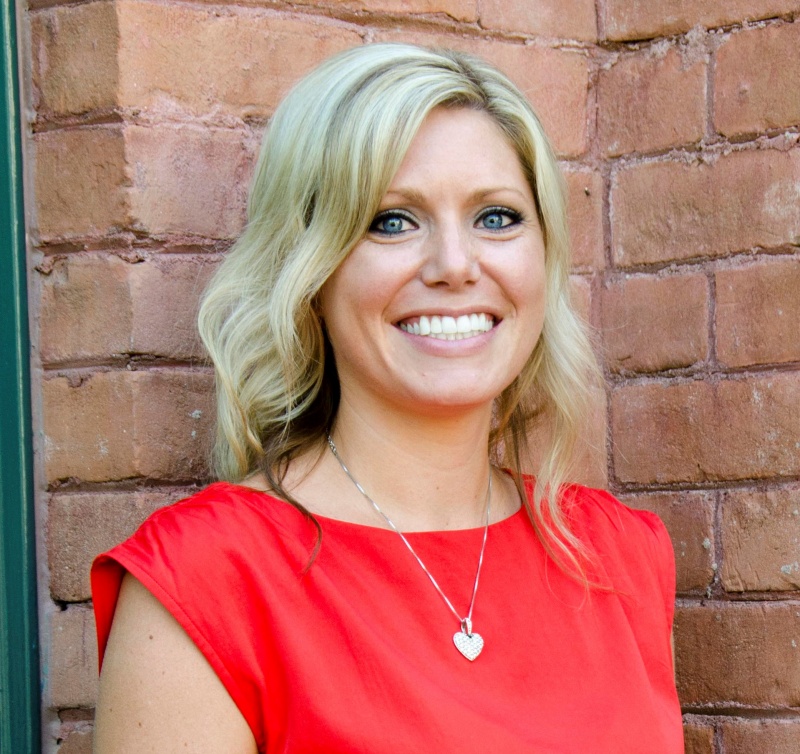
Instructor’s Name: Michelle Taylor, Ph.D.
I am an Associate Professor of Child Development at California State University, Long Beach. I teach Developing Effective Environments to Support Young Children's Learning and Development, Child Development Applications: Connecting Research, Policy, and Practice, and A Practical Approach to Social Science Research.
Describe your teaching philosophy.
I approach the classroom setting with the same framework that informs my research. As an applied developmental scientist with the goal of supporting young children’s optimal development, I study the critical features of caregiver support, caregiver knowledge and beliefs, and caregiver-child interactions as they relate to child outcomes. In my teaching, I strive to accomplish this same goal by providing effective support to students that will ultimately improve their knowledge, change their attitudes and beliefs about children, and prepare them to engage in high quality interactions with diverse children and families.
Teaching Objectives
- To create an accountable classroom environment where all students feel valued and are treated with respect.
- To facilitate connections among students that promote positive peer relationships and enhance learning.
- To relate content to students’ interests and lived experiences, resulting in the ability to translate classroom learning to real world applications.
- To prepare students with both the knowledge and skills to improve the lives of children and families.
- To promote a love of learning and a strong commitment to the field of Child Development and Family Studies.
Please provide a link to your university page. https://www.csulb.edu/college-of-health-human-services/family-and-consumer-sciences/page/dr-michelle-taylor