Quality Over Quantity: Two Premium Knives vs. A Full Cheap Set
Quality Over Quantity: Two Premium Knives vs. A Full Cheap Set
Every home cook wonders if spending a little more on just a couple of knives makes more sense than grabbing a big, low-cost set. That choice affects not only how your drawers look but also how much fun you have chopping, slicing, and dicing all week long. Sure, those-cheap sets seem handy and easy on the wallet, but a well-made knife can turn hurried meal prep into something closer to a cooking daydream.
Picking between a handful of sturdy blades and a crowded rack of budget tools is not just about the dollars you lay on the counter. Your favorite recipes, how much money you can spare right now, and what kind of cook you plan to be tomorrow will all steer you one way or the other. This short guide breaks down both paths so you can choose an option that makes your time in the kitchen smoother-and maybe a bit more enjoyable.
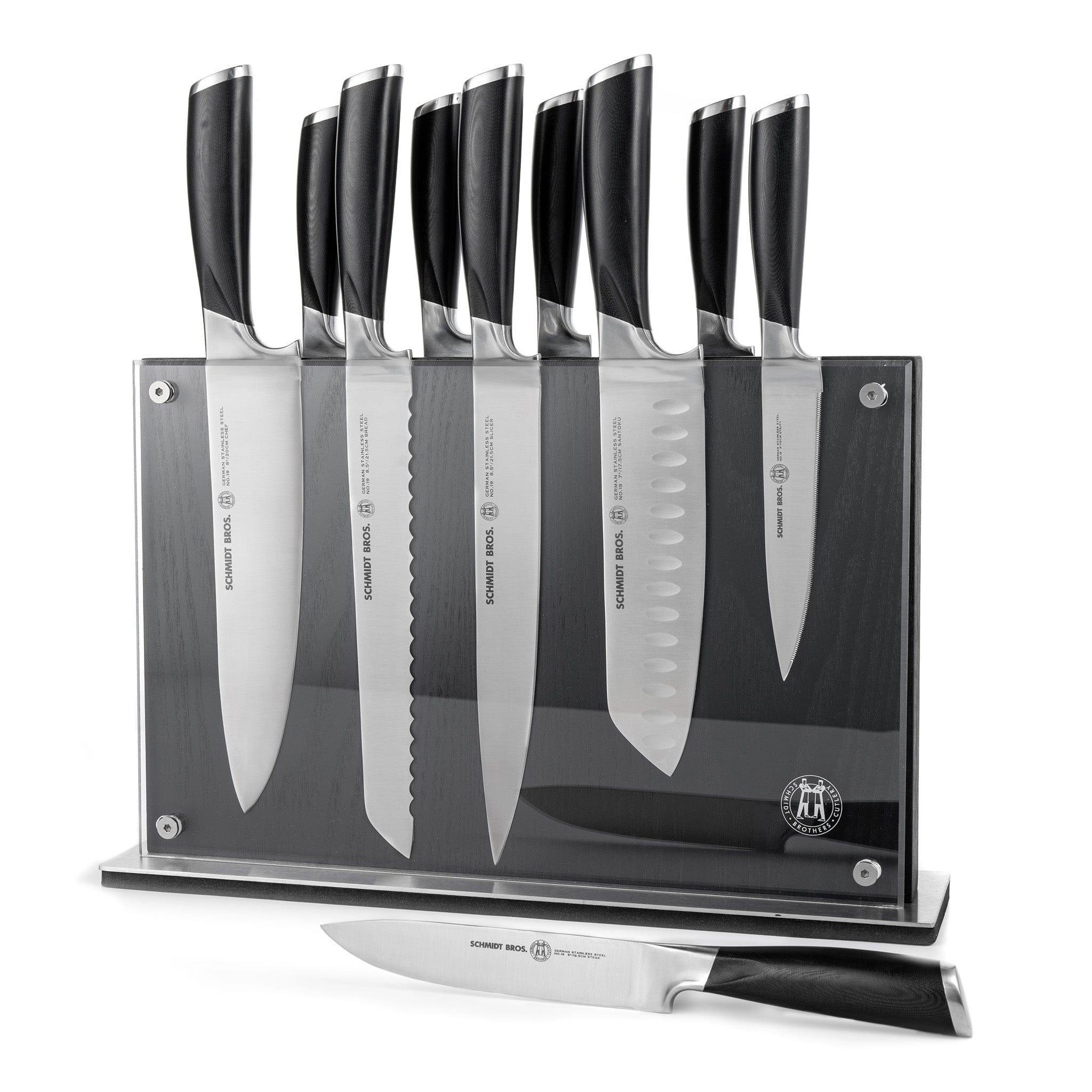
Understanding the Kitchen Knife Landscape
Before we dive into pros and cons, let’s talk about what really separates a top-notch knife from one you find in a bargain set at the big-box store. The differences start long before the knife ever reaches your home, and they go way past the brand stamped on the side.
Construction quality is the true hallmark of a premium knife. The full tang design runs blade steel through the entire handle, giving the knife better balance, strength, and control than the partial tangs seen in cheaper models.
Thought, care, and testing go into the handle materials and shape. Makers choose fine hardwoods, sturdy engineered composites, or well-formed synthetics, creating grips that feel secure and comfortable even during long chopping tasks.
Defining "Budget" or "Cheap" Knives
Budget knife sets almost always use basic stainless steel that chips easily and dulls fast. Because production teams focus on the bottom line, heat treatment and blade angles can end up inconsistent.
Partial tangs save money, but they leave the knife weaker. After enough rocking or slicing, the handle can pull loose, posing a safety risk and forcing a repair that wipes out any original savings.
Most low-cost handles are made from thin, injection-molded plastic. While they get the job done in a pinch, they often dig into your palm, causing sore hands and less-accurate cuts after only a few minutes.
The Case for Two High-Quality Knives
Buying just two top-tier knives—a good chef knife and a nimble paring blade—streamlines cooking and gives you tools that perform every day, no matter what recipe you follow.
Superior Materials Deliver Lasting Performance
Premium steels such as VG-10 knife or high-carbon German stainless hold an edge far longer than cheap options. With one of these blades, you may go weeks or even months before touching a stone, while bargain knives seem to dull overnight.
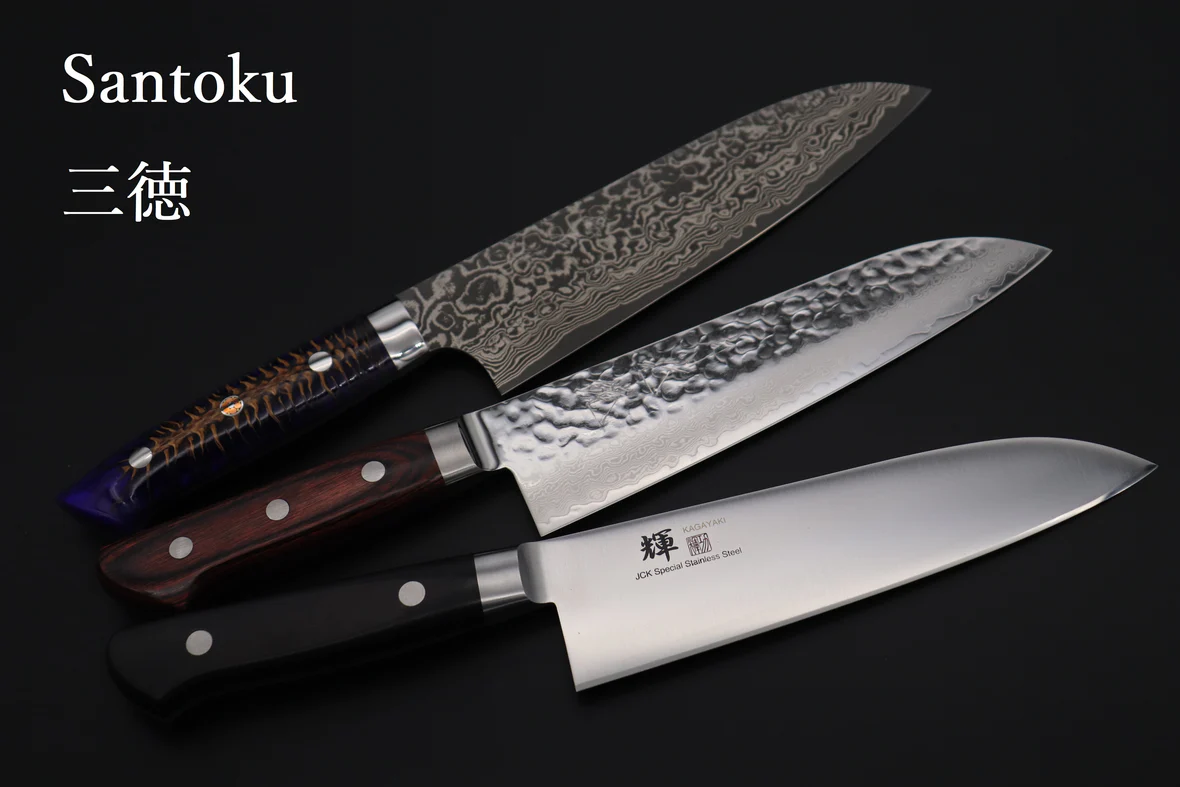
Careful factory grinding also means each blade leaves the shop with the same angle from heel to tip. Because the geometry stays true, every slice glides through food instead of crushing it, keeping textures and looks intact.
Better materials shrug off rust spots, stains, and chips that quickly age lower-end knives. Spend a little more up front, and the blade stays sharp and shiny for years, turning the knife into a real kitchen investment.
Enhanced Performance Transforms Cooking
A lightweight, well-balanced chef’s knife can handle about 80 percent of home-cutting chores. Vegetables get diced in seconds, meat parts fall apart with little pressure, and finishing touches come out cleaner every time.
Quality blades sit on a perfect balance point, so your wrist does not sag after two or three onions. Shaped handles and smooth grinds hug the hand, letting you work through elaborate meals without the soreness budget knives bring.
Once you feel that effortless cut, advanced skills no longer look impossible. Paper-thin cucumber ribbons, tiny minced herbs, and even steaks prepped like a pro are within reach when you pick up a real restaurant-quality tool.
Long-Term Financial Benefits
Sure, a top-quality knife costs more upfront, but it can save you money in the long run. Think about it: a 150chef′sknifethatyou′llusefor20yearsischeaperperyearthanreplacingabunchof150chef′sknifethatyou′llusefor20yearsischeaperperyearthanreplacingabunchof30 knock-offs every few seasons.
When it gets dull, a pro sharpening service brings that high-end blade back to life, while the softer steel on budget tools may never really recover, even after being sharpened. Better steel holds an edge longer and bounces back faster with a little care.
Many premium brands offer solid warranties or lifetime guarantees, so if something goes wrong, you're not left high and dry. Try asking the same of a $20 tool and you’ll probably hear crickets.
Safety and Comfort Advantages
A sharp, well-balanced knife cuts cleanly with light pressure, making it less likely to slip and cause a nasty cut. Good construction gives you predictable control-stability you can trust when you're in a hurry.
Ergonomic handles shape your hand naturally, so you won’t wake up with sore wrists after a long prep session. Pro cooks know comfortable gear lets them chop, dice, and slice all shift without wearing out their bodies.
Because quality blades slice neatly, you can keep fingertips out of the path of the edge by simply guiding the food. With a flimsy budget knife, awkward grips and extra force spike the odds of an accident.
Why Many Cooks Keep a Stack of Budget Blades
Even the priciest pro chefs still admit that a handful of affordable helpers can show up in the busiest kitchens for good reasons.
Easy on the Wallet
A full budget set usually lands between 25and25and75, letting students, first apartments, and novices avoid taking out a second mortgage just to chop onions. That low sticker shock means anyone can grab a single box and equip the entire counter in minutes.
Because the price feels small, cooks worry less about dings, nicks, or forgetting to hand-wash the knife after a late-night omelet session. Rookie mistakes sting less when the tool still costs only a few bucks.
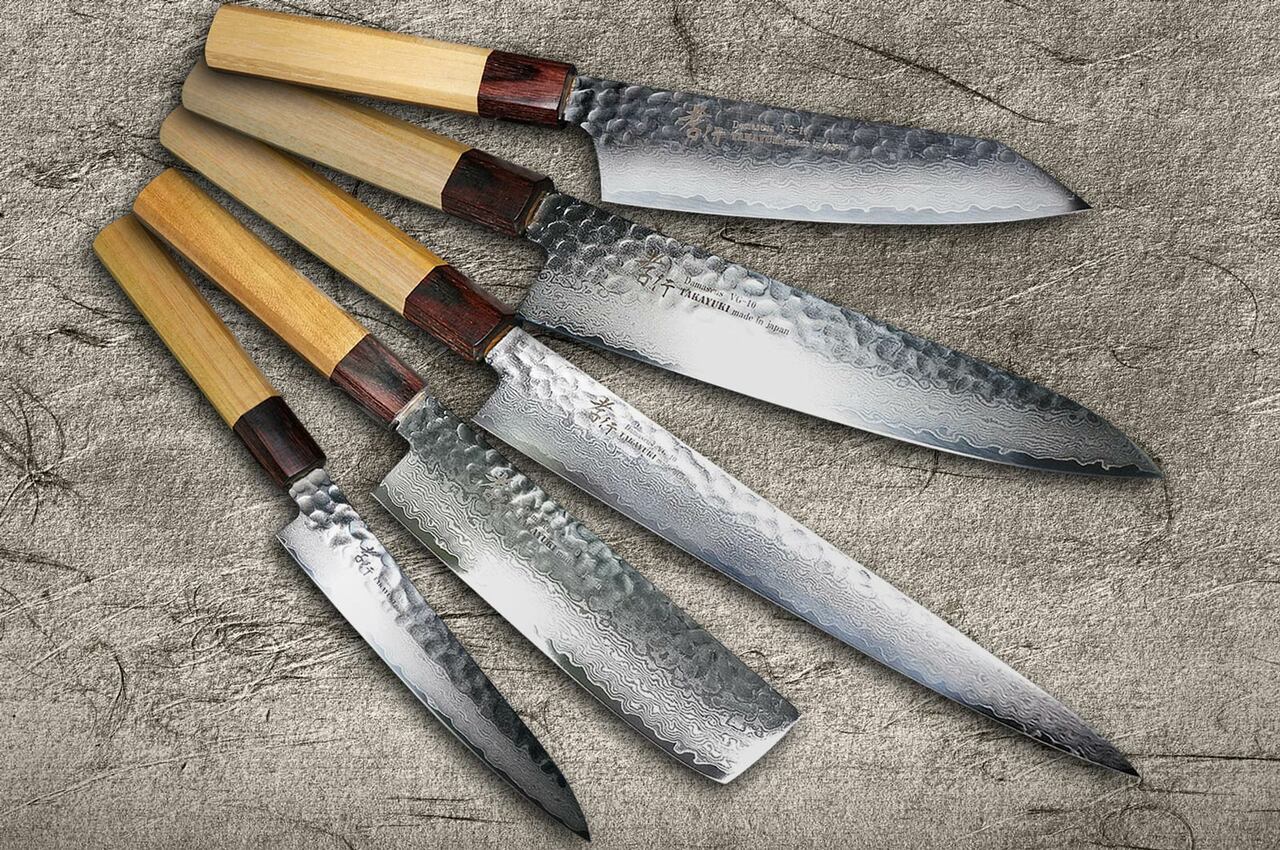
Most starter sets come with a block, rack, or strip to hold the blades that would cost extra if you hunted down pieces one by one. Slotting each knife into place keeps counters tidy right from the start.
Blade Options for Every Job
Standard bundles toss in anywhere from half a dozen to a dozen edges-bread, cheese, paring, and sometimes even boning or fillet-handy if your recipe suddenly calls for something special.
Mix-and-match blades let cooks grab exactly what is needed instead of forcing the same all-purpose blade through every task. A serrated edge sails through crusty sourdough, while a flexible fillet slips cleanly along fish bones.
Testing out less-expensive knives lets beginner cooks figure out exactly what they like before they buy pricier, often-used blades. That little trial run helps them make smarter choices when spending money later.
Worrying Less About Breaks and Chips
Affordable blades come with far less pressure to baby, share, or protect them from every nick, so friends or family aren-t afraid to pick one up. Novice cooks can pour all their energy into mastering basic skills, free from nerves over ruining a fancy tool.
Since replacing a single budget knife costs only pocket change, trying out bold cuts or strange ingredients feels much safer. If you-mess up, you simply grab another-one and keep experimenting, instead of fretting about a dented, expensive edge.
Owning a handful of cheap knives lets you chop, slice, and dice at once, skipping the wash-reach-for-a-clean-blade loop. That time-saving trick really helps busy cooks who-juggle multiple parts in big dinners or flashy meal preps.
Must-Have Kitchen Knives for Every Home Cook
Knowing which blades do the heaviest lifting lets you focus spending, whether you-go high-end on one or stock up with several affordable tools.
Chef Knife: Your Kitchen Workhorse
The chef knife is the backbone of most kitchens, tackling roughly eighty percent of cuts with speed and ease. A good eight- to ten-inch blade chops veggies, carves meat, and minces herbs with enough grace to make meal prep feel fun instead of chore.
A good chef knife is sharp, tough, and stays sharp even after lots of chopping. The blade should sit balanced in your hand, so weight flows between the handle and edge, letting you cut comfortably for as long as you need.
When you pick up a quality chef knife, home cooking suddenly feels smoother, almost like you’re working in a restaurant. Buying one great knife usually beats grabbing a cheap set with blades that still struggle withinr.