
Boost Art Skills Using Detailed Coloring Pages Of A Dog Today
Boost Art Skills Using Detailed Coloring Pages Of A Dog Today
Hitting a creative wall feels rough. You put in the time, yet the lines look stiff, the shading looks flat, and the colors do not work together. Motivation drops. I was there for months—until I tried Coloring Pages Of A Dog from ColoringPagesJourney. The clear outlines eased the pressure, the careful details gave me real practice, and the small wins stacked up. I slowed down, studied fur shapes, built color in light layers, and saw steady progress that pulled me back to the table the next day.
From Stuck to Steady Growth
Working inside a good outline removes the fear of the blank page. You focus on skill, not guesswork. First value, then edges, then color. That order creates calm choices and cleaner results. Over time, your hand learns what your eye sees.
Small Skills That Add Up
Short drills make a big difference. Repeat tight hatching, light blending, and even pressure. Place mid-tones before deep shadows. Protect highlights. Clean transitions start to look like real form, not flat fill.
What You Learn Carries Over
The same “light first, then build” approach works with graphite, markers, paint, and a tablet. Once value and edges click here, you bring that muscle memory to sketching and painting without starting from zero.
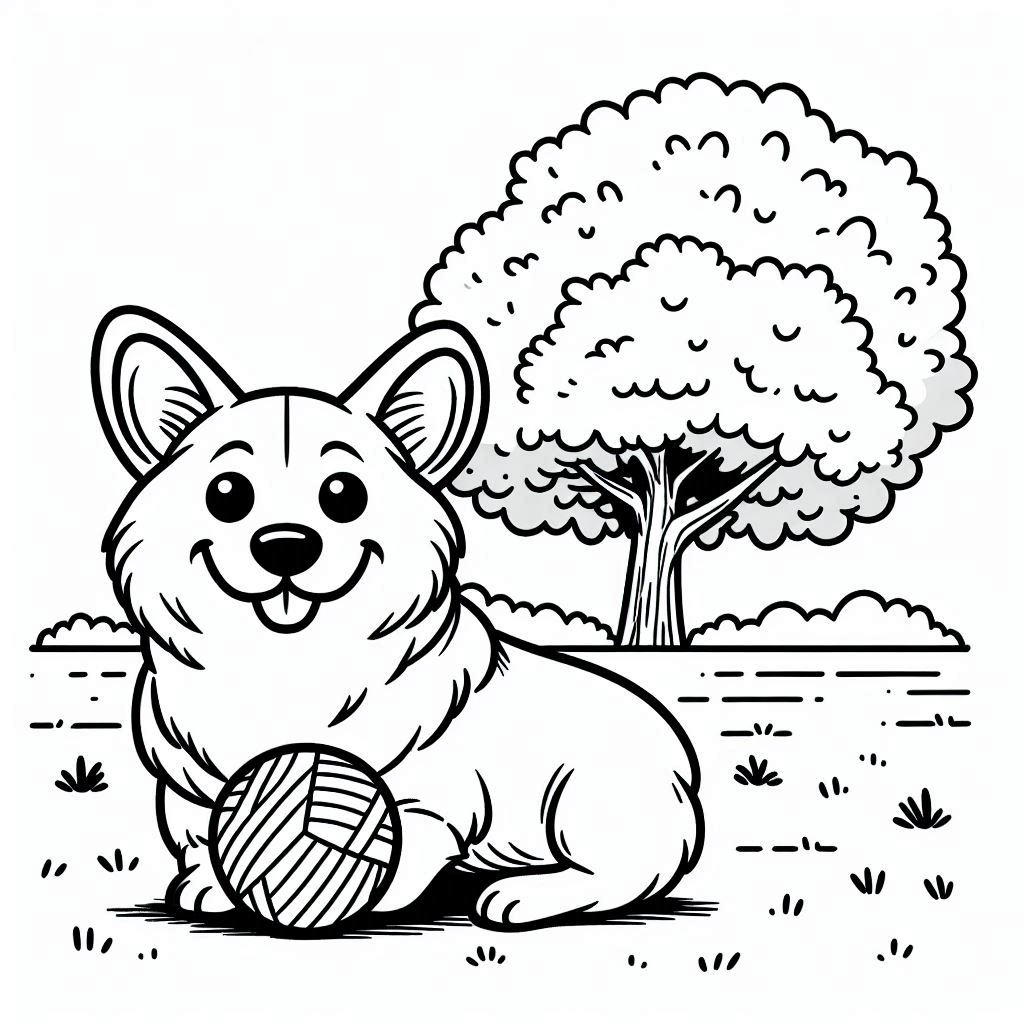
You can use that muscle memory to sketch and paint once value and edges click
Tools That Help (Without Getting in the Way)
Better tools won’t do the work for you. But they will not fight you either. A sturdy sheet keeps the surface smooth. Good cores lay down color evenly. Sharp points keep detail crisp. Think of your gear as quiet partners.
Paper, Print, and Texture
Use heavier matte paper so the color grips the surface. A slight texture lets you stack light layers instead of crushing fibers. Print at high resolution. Clean lines help you place whiskers, ear rims, and small shapes with confidence.
Pencils, Markers, and Handy Extras
Soft-core pencils for smooth layers. A few alcohol markers for quick flat areas. A colorless blender, a kneaded eraser, and a white pencil for bright spots. Add a mechanical pencil for tiny fur marks and a brush pen for bold accents on collars or tags.
Technique Lab: Layering, Edges, Fur
Technique grows with patience. Start light. Breathe. Let volume build. The sheet shifts from “fill this shape” to “shape this light.”
Build Layers Before Heavy Pressure
Lay a pale base. Add mid-tones in thin passes. Press harder only at the end to seal the blend. Keep highlights clean. For short coats, use small cross-hatches. For long hair, pull tapered strokes that follow the direction of the fur.
Shadows and Edge Control
Pick a light source and stick with it. Sharpen edges where bone meets skin—the bridge of the nose, the ear rim—then soften across rounded forms. Add tiny strokes around the muzzle to suggest depth without overworking.
Color Sense: Palettes, Contrast, Backgrounds
Color theory can be simple. Test, compare, adjust. A small palette keeps harmony. A well-chosen opposite color adds pop. Backgrounds set mood and separate your subject from the rest of the page.
Real Coats or Playful Palettes
Watch real coats: warm browns with cooler shadows; black fur lifted with a hint of blue-violet; cream warmed with soft peach. Want a playful look? Try teal shadows under lavender lights, but keep values clear so the form still reads.
Backgrounds That Tell a Story
A soft gradient suggests evening light. A loose park hint adds context without stealing focus. Keep the background a step lighter or darker than the coat so the dog stands out. Use soft, slightly broken edges where grass touches the paws.
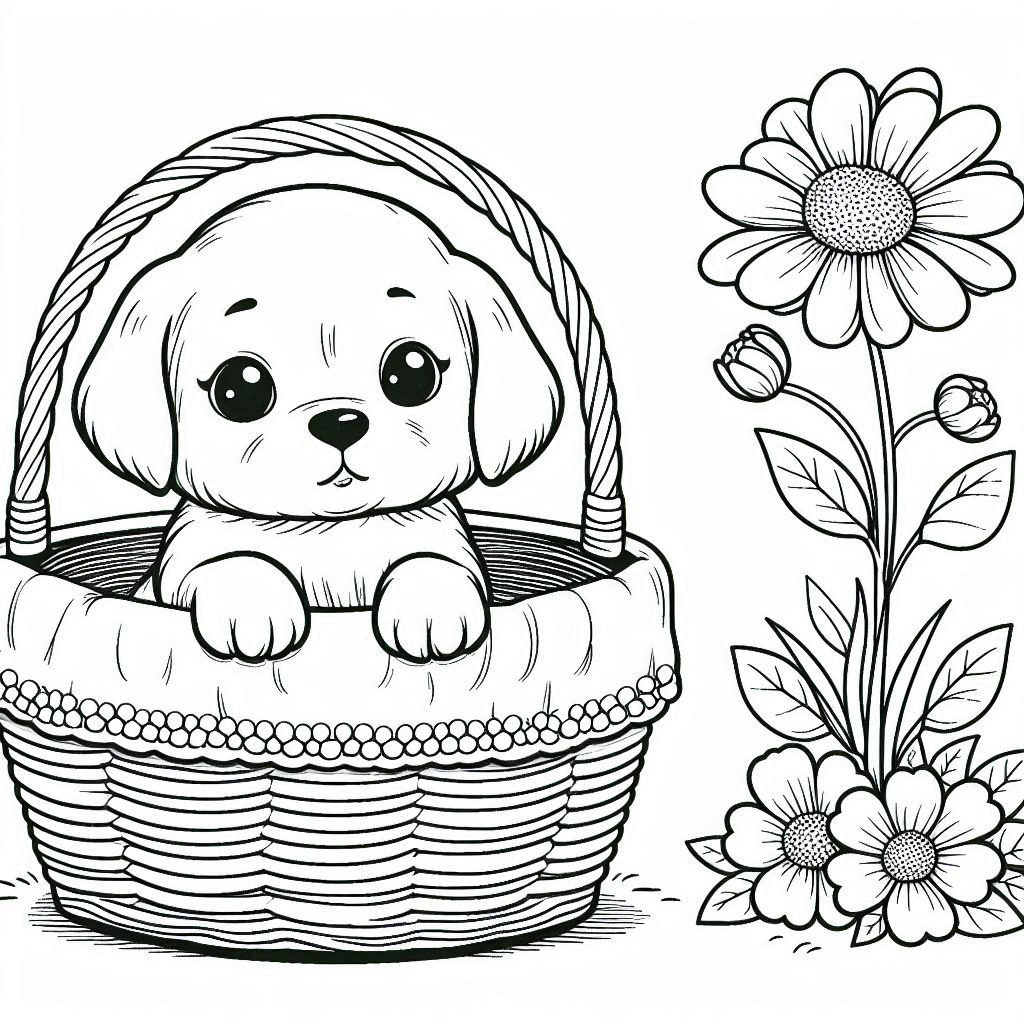
For the dog to be the focal point, make the background somewhat lighter or darker than the coat
Build a Habit You Can Keep
Routine beats inspiration. Short sessions lower the bar to start, and starting often is half the battle. After a few weeks, your touch gets steadier, your timing improves, and your choices feel sure.
20-Minute Drills That Work
Try three blocks: five minutes on edges, ten on layering, five on accents. Stop while you still want more. Tomorrow will be easier. The rhythm sticks.
Track Progress Without Stress
Date each page and jot a quick note—“softer shadows,” “cleaner ear texture,” “watch the muzzle.” Store pages flat. Every two weeks, look back, spot patterns, and plan the next drill.
Community Proof: Real Voices, Real Wins
Hearing from others kept me honest. Weekend colorists, studio pros—results matter. In one discussion about Dog Images Coloring Pages, people traded tips on catching motion—ears flying, coats streaked by wind. That thread reminded me how variety speeds learning. Midway through my own practice, I went back to ColoringPagesJourney to try more action poses, and my composition choices started to click.
UGC Snippets
“Day 1 was shaky; by week 4 my blends looked like velvet.” — Elaine, Dublin
“I color with my son before dinner. His grip improved, mine too.” — Marco, Toronto
“I’m a junior tattoo artist. I test fur flows here before ink.” — Priya, Auckland
Feedback Loops That Lift Quality
Share your work. Ask for one focused critique. Give two in return. A shared language—value, edge, texture—raises everyone’s eye and sets a higher bar for your next page.
Expert Signals and 2025 Insights
Advice hits harder when it comes from people who teach, practice, and show their work. In 2025, more foundation classes use structured coloring as a bridge from observation to solid rendering. Community studios now run “render labs” for adults who want guided practice without long lectures.
Voices With Experience
Dr. Hana Petrov, PhD, Art Education (Prague): “Deliberate coloring isolates value, edge, and hue so learners can master each without overload.”
Luis Mercado, MFA, Illustration lecturer (Barcelona), 12+ years: “Simplify the task to magnify the learning. Repetition builds the artist’s nerve.”
Keiko Tanaka, studio colorist (Tokyo): “Treat fur like rhythm. Feel the beat, and the texture flows.”
What’s New This Year
Studios in Sydney and Manchester host weekly sessions on bright eyes and wet noses. Continuing-ed programs suggest structured sheets as warm-ups before life drawing due to clear gains in control and timing. Mid-year surveys show more hobbyists building small portfolios—breed studies, motion sets, simple background scenes—rather than scattered one-offs.
Quick Answers for Common Hang-Ups
Clear answers help you keep moving instead of second-guessing.
“How Do I Avoid Muddy Colors?”
Start light with sharp points. Layer close colors for harmony, then add a small opposite color for energy. If an area turns dull, lift gently with a kneaded eraser and rebuild with thin layers.
“What If My Lines Shake?”
Anchor your forearm. Breathe out as you draw. For long curves, move from the shoulder. Practice “ghost lines”—trace the motion in the air, then commit. Your marks will look deliberate, not unsure.
Breeds, Poses, and Little Stories
Variety teaches faster than repetition alone. New breeds force new choices; new angles change edges; new light changes the whole plan. Each sheet can tell a small story, which keeps practice from feeling like busywork.
Breed Studies as Mini-Courses
Short coats need crisp value jumps. Long coats want stacked strands of color. Spots teach selective attention. Rotate breeds each week and note what each teaches—ears on one, muzzle planes on another, paw pads on the next.
Gesture, Motion, and Character
Suggest motion with strokes that follow the run, and add slim shadows under paws. A small head tilt or a squint can turn a plain picture into a living character. Aim for feeling, not just accuracy.
Momentum to Mastery
You have a routine. Your technique is sharper. You see more than lines now. The next step is turning practice into a small body of work. A short, focused series beats a random pile.
A Simple Seven-Day Plan
Day 1: value scales. Day 2: short-hair study. Day 3: long-hair study. Day 4: eyes and nose. Day 5: palette test. Day 6: a full page with a simple background. Day 7: review and rest. Next week, switch the breed and the light.
From Pages to a Portfolio
Mount your best three. Add two lines about what you learned. Share with a trusted group. Ask for one specific tip and use it on the next page. That loop turns practice into progress you can see.
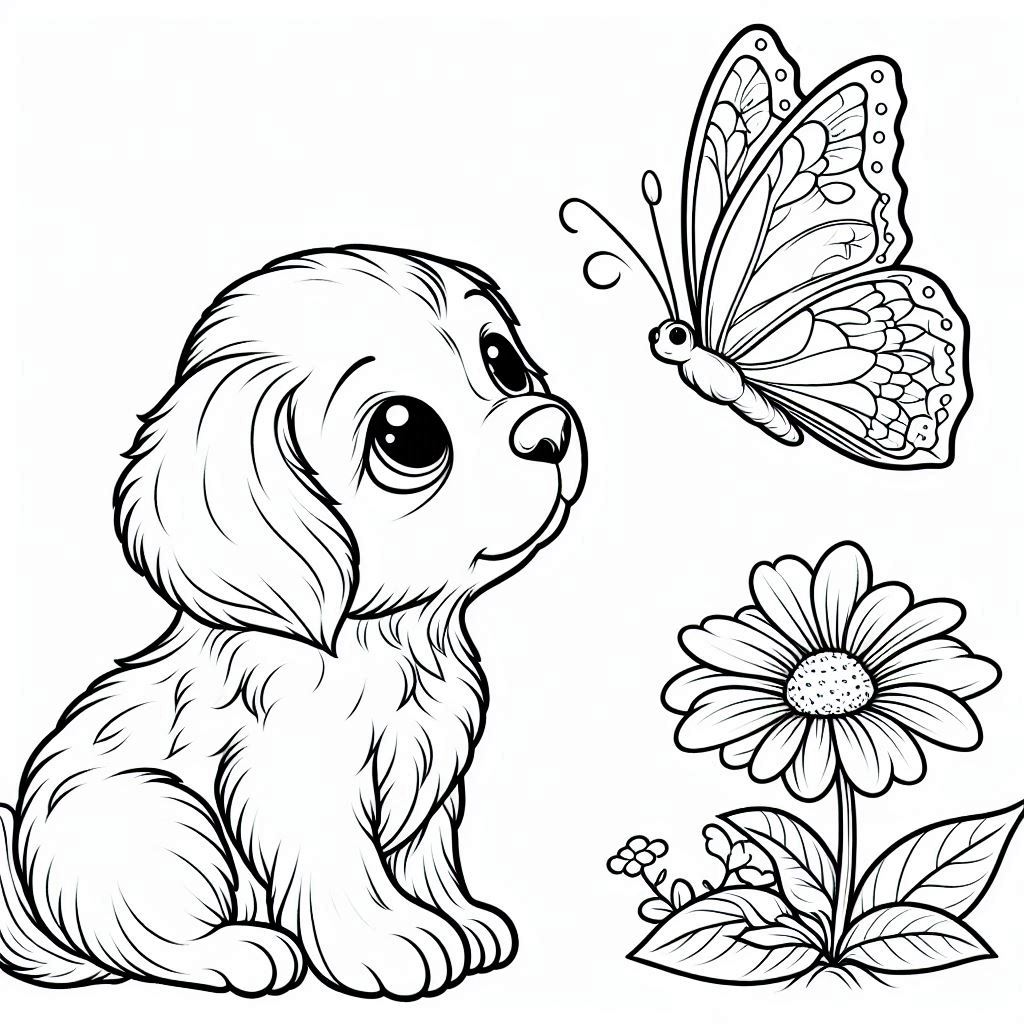
A random pile is not as good as a brief, targeted series
Closing Thoughts (A Gentle Nudge)
Growth rarely comes with a drumroll. It shows up while you do quiet work, day in, day out. The right outline gives you a lane. A steady routine keeps you in it. A humble mindset helps you finish strong. My own turning point began with a simple download, and the nights that followed felt more like play than grind. The approach that worked for me started with a trusted brand and a handful of well-made sheets. I’m sharing this as a user who needed something simple yet serious, a practice that fits between work and family, and a tool that respects both beginners and improvers. The tool, for me, was Coloring Pages Of A Dog. If today feels right, ColoringPagesJourney has you covered, and you can Freely Get Creative With Over 140 Dog Coloring Pages — start where you are, build in light layers, and let steady practice do what it does best: turn the page, and turn the corner.