
Physiology of Recreational Drugs
Physiology of Recreational Drugs
Purpose: to help other instructors teaching the same course
Common Course ID: BIOL 396
CSU Instructor Open Textbook Adoption Portrait
Abstract: These open educational resources are being utilized in a biological sciences course for undergraduate or graduate students by Dr. George Brusch IV at California State University San Marcos. The open educational resources provide students with accessible, affordable, and customizable learning resources that enhance their educational experience. The main motivation to adopt an open educational resources was to reduce the financial burden of educational materials, making high-quality resources more accessible to all learners. Most student access the open textbook in their university Canvas page and through the internet.
BIOLOGY 396 Physiology of Recreational Drugs
Brief Description of course highlights: This course explores the physiological effects of recreational drugs on the human body, examining how various substances interact with biological systems. Students will investigate the mechanisms of action, pharmacokinetics, and pharmacodynamics of commonly used recreational drugs, including alcohol, cannabis, stimulants, and hallucinogens. Through a combination of lectures, discussions, and case studies, the course will address the impact of these substances on the nervous, cardiovascular, and endocrine systems, as well as their potential for addiction and long-term health consequences. Ethical considerations, societal implications, and current research trends in drug use and policy will also be discussed. By the end of the course, students will gain a comprehensive understanding of how recreational drugs affect human physiology and the broader implications for public health and safety.
Student population: Most students who take this course are junior or senior biology students. Prerequisite(s): BIOL 210, or enrollment in the Biological Sciences graduate program.
Learning or student outcomes: Students who successfully complete this course should:
1. Understand Drug Mechanisms: Describe the mechanisms of action of various recreational drugs and how they interact with the human body, particularly the nervous and endocrine systems.
2. Analyze Physiological Effects: Analyze the short-term and long-term physiological effects of different classes of recreational drugs, including alcohol, cannabis, stimulants, opioids, and hallucinogens.
3. Critically Review Research: Critically review current research and emerging trends related to recreational drugs, including new psychoactive substances and their physiological effects.
4. Engage in Informed Discussions: Engage in informed discussions about the complexities of recreational drug use, incorporating scientific knowledge, societal context, and personal perspectives.
5. Communicate Effectively: Communicate findings and insights effectively through written assignments, presentations, and class discussions, demonstrating a clear understanding of the course material.
Key challenges faced and how resolved: I completely removed any type of textbook from this course when designing it. While textbooks make it much easier to just assign extra pages or chapters, my goal is always to make courses no-cost. Therefore, I’ve needed to spend considerable amounts of time creating detailed supplementary materials for the students to access. To avoid licensing issues this means I also need to only assign open-access journal articles or create material from scratch which can take considerable amounts of time. I gave myself time though and planned ahead for this course. I had been working on the material for this course ~6 months before I actually taught it so that I could fully implement a no-cost course and not be too stressed about finding or creating the material.
OER/Low Cost Adoption Process
Provide an explanation or what motivated you to use this textbook or OER/Low Cost option. My major motivation for using an open-source textbook is because it is free. This alleviates the financial burden on students, making education more accessible and equitable.
How did you find and select the open textbook for this course? I was trained as an animal physiologist so I was fortunate to know the important information going in. It took a fair amount of time going through other textbooks to pick and choose the type of information and how to deliver the content.
Sharing Best Practices: Be patient! This process can take a significant amount of your time. Don’t push it too much and remember that once you’ve made your materials, they are 100% yours to edit as you see fit.
Describe any key challenges you experienced, how they were resolved and lessons learned. The time it took to create all of the resources students would need was significant and much more than I anticipated. I learned to slow down. I didn’t want to rush it and create a lower-quality no-cost course.
Instructor Name - Dr. George A Brusch IV
Assistant Professor at the California State University San Marcos. 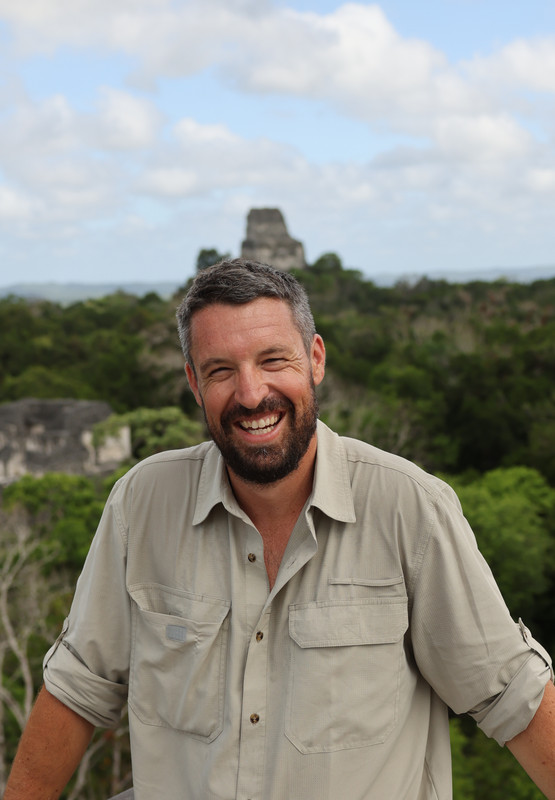 Please provide a link to your university page.
https://www.csusm.edu/profiles/index.html?u=gbrusch
Please describe the courses/course numbers that you teach.
I teach introductory biology courses, animal physiology, and a variety of upper division physiology electives.
Describe your teaching philosophy and any research interests related to your discipline or teaching. I love teaching and have dedicated my career to it—I get to educate and learn at the same time. I believe that my ultimate goal as an educator is to inspire a love of learning, foster critical thinking, and keep students engaged throughout the process. I have found, through trial and error, that the best way to avoid glassy-eyed students during a course is a mixture of content delivered via slides, models, drawings, and discussion, intermixed with videos, songs, and corny jokes delivered in a way that edu-tains students (i.e., educates and entertains). I have learned that to effectively reach students I need to remain malleable in my teaching style, and I rely on a variety of techniques in and out of the classroom to engage my students, including potentially embarrassing myself as we work through difficult concepts. Some students need contact in office hours, others thrive in the laboratory, and I have to respect that everyone can have a slightly different learning style.
Textbook or OER/Lowcost Title: All materials provided through Canvas or are open access peer-reviewed manuscripts (see below)
Brief Description: I created lecture presentations, handouts, worksheets, practice quizzes, and study-guides from scratch. All of these materials are available to students enrolled in the course and there is no expiration date on the Canvas container, although students might lose access once they graduate. I also made all files downloadable so students can keep them indefinitely if they wish. Case studies were created from scratch.
Resources Used: Physiology of Recreational Drugs OER resources.docx
Student access: Students access the materials for this course primarily through their university Canvas website.
Supplemental resources: I provide detailed power points, study guides, practice exams, and critical thinking questions to students through their Canvas website.
Provide the cost savings from that of a traditional textbook. Students who take versions of this course at other universities typically purchase the 16th edition of Basic and Clinical Pharmacology by Katzung. That textbook is typically ~$190 new or ~$92 to rent for the semester.
License*: For access to the classroom resources, interested parties can contact George Brusch directly via email: gbrusch@csusm.edu. Readings listed above are open-access articles.