Home
Your ideal customers are searching for exactly what you offer. Right now, someone in your area is typing a question into Google that your business could answer perfectly. But instead of finding you, they're finding your competitors.
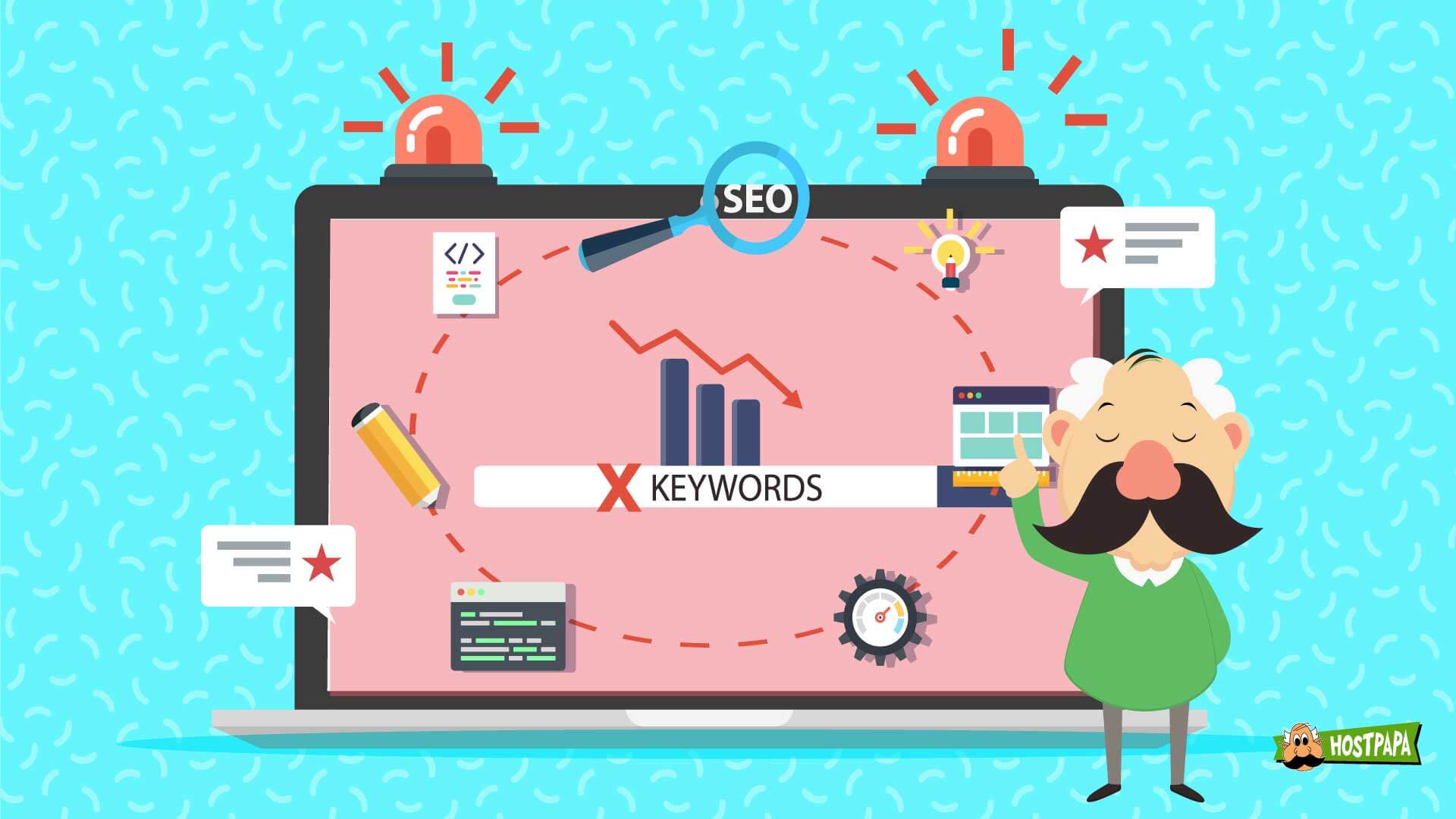
That's the frustrating reality for most small businesses. You know SEO matters — you've heard it mentioned in every marketing conversation for the past decade. But somewhere between running operations, managing staff, and serving customers, search engine optimisation fell to the bottom of the list.
The good news? You don't need to become a technical expert to improve your visibility. You just need to stop making the mistakes that are keeping you invisible.
Here are the three biggest SEO errors I see small businesses make — and how to turn things around.
Mistake #1: Expecting Results Without a Strategy
Many business owners treat SEO like a light switch. They assume that once their website goes live, customers will magically start appearing. Or they'll make a few tweaks — add some keywords here, update a title tag there — and wonder why nothing changes.
Here's the reality: SEO is a long game that requires consistent, strategic effort. Random tactics without a cohesive plan is like trying to get fit by doing a different exercise every week with no structure. You might burn some calories, but you won't see real transformation.
Effective SEO starts with understanding what your customers are actually searching for, then building content and optimising your site to meet those needs. It requires competitor analysis, keyword research, technical audits, and ongoing refinement.
For many small business owners, partnering with specialists who offer SEO services tailored to small businesses makes more sense than attempting everything in-house. A strategic approach ensures you're investing effort where it actually moves the needle, rather than guessing and hoping.
Mistake #2: Neglecting Local Search Entirely
If your business serves a specific geographic area — a suburb, city, or region — local SEO should be your top priority. Yet it's astonishing how many businesses ignore it completely.
Local search is different from general SEO. When someone searches "best accountant near me" or "plumber Brisbane southside," Google serves results based on proximity, relevance, and prominence. If you haven't optimised for local search, you're invisible to the people most likely to become customers.
The most common local SEO gaps I see:
No Google Business Profile (or an incomplete one). This free listing is arguably the most powerful local SEO tool available. Yet many businesses haven't claimed theirs, or they've filled it out halfway and forgotten about it. Your profile should include accurate contact details, business hours, photos, services, and regular updates.
Inconsistent business information. Your name, address, and phone number should be identical everywhere online — your website, directories, social profiles, and Google listing. Even small discrepancies (like "Street" vs "St") can hurt your local rankings.
No local content. If your website never mentions the areas you serve, how will Google know to show you in local results? Creating location-specific pages or content signals relevance to search engines and potential customers alike.
Mistake #3: Chasing Rankings Instead of Serving Customers
This might sound counterintuitive, but hear me out: obsessing over rankings can actually hurt your SEO.
In the early days of search engines, you could game the system. Stuff keywords into your pages, build spammy backlinks, and watch your rankings climb. Those days are long gone. Google's algorithms have become remarkably sophisticated at identifying helpful, relevant content — and penalising manipulation.
The businesses winning at SEO today are those focused on genuinely serving their audience. They create content that answers real questions. Their websites load quickly and work seamlessly on mobile. They earn links and reviews because they provide genuine value, not because they're gaming the system.
Ask yourself: when someone lands on your website from a search, are they finding what they need? Is the experience smooth and trustworthy? Would they recommend you to a friend?
If you're creating content solely to rank rather than to help, you're building on a shaky foundation. Algorithms change constantly, but quality and relevance never go out of style.
Start Where You Are
You don't need to fix everything overnight. Pick the mistake that resonates most with your situation and start there. Claim and optimise your Google Business Profile. Audit your site for local relevance. Develop a content strategy that serves your customers first.
SEO isn't magic. It's simply the process of making sure the right people can find you when they're looking. And when you get it right, those searchers become customers — without you having to chase them.