PSCI 350 - Global Governance
PSCI 350 - Global Governance
Common Course ID: PSCI 350 - Global Governance
CSU Instructor Open Textbook Adoption Portrait
Abstract: This unlimited user ebook is being utilized in a political science course for undergraduates by Dr. Roni Kay M. O’Dell at California State University San Marcos. The unlimited user ebook provides students with an introduction to the theories and practices of international relations using primary texts and events to elucidate global politics. It uses learner-centered-teaching pedagogy and each chapter scaffolds learning to provide students with techniques and skills-development for understanding, studying, and practicing global politics. The main motivation to adopt an unlimited user ebook was to provide students with an accessible and supportive textbook that would support their learning. Most students access the unlimited user ebook through the library system.
PSCI 350 - Global Governance
Course Catalogue Description: Basic international political principles and practices, including characteristics of the international system, foreign policy making, security and defense, alliances, law and organization, and international conflict (fulfils General Education Upper Division 4 requirement). https://catalog.csusm.edu/preview_course_nopop.php?catoid=1&coid=1966
Student population: The course is required for political science majors and it also fulfills the requirement for a general education upper division 4 course.
Learning or student outcomes:
- Identify, define, and explain global governance and international relations history, theories, and concepts.
- Analyze and interpret current and historical international events and topics.
- Identify and memorize politically and socially defined geographic areas of the world.
- Practice skills (oral presentations, written communication, and critical thinking).
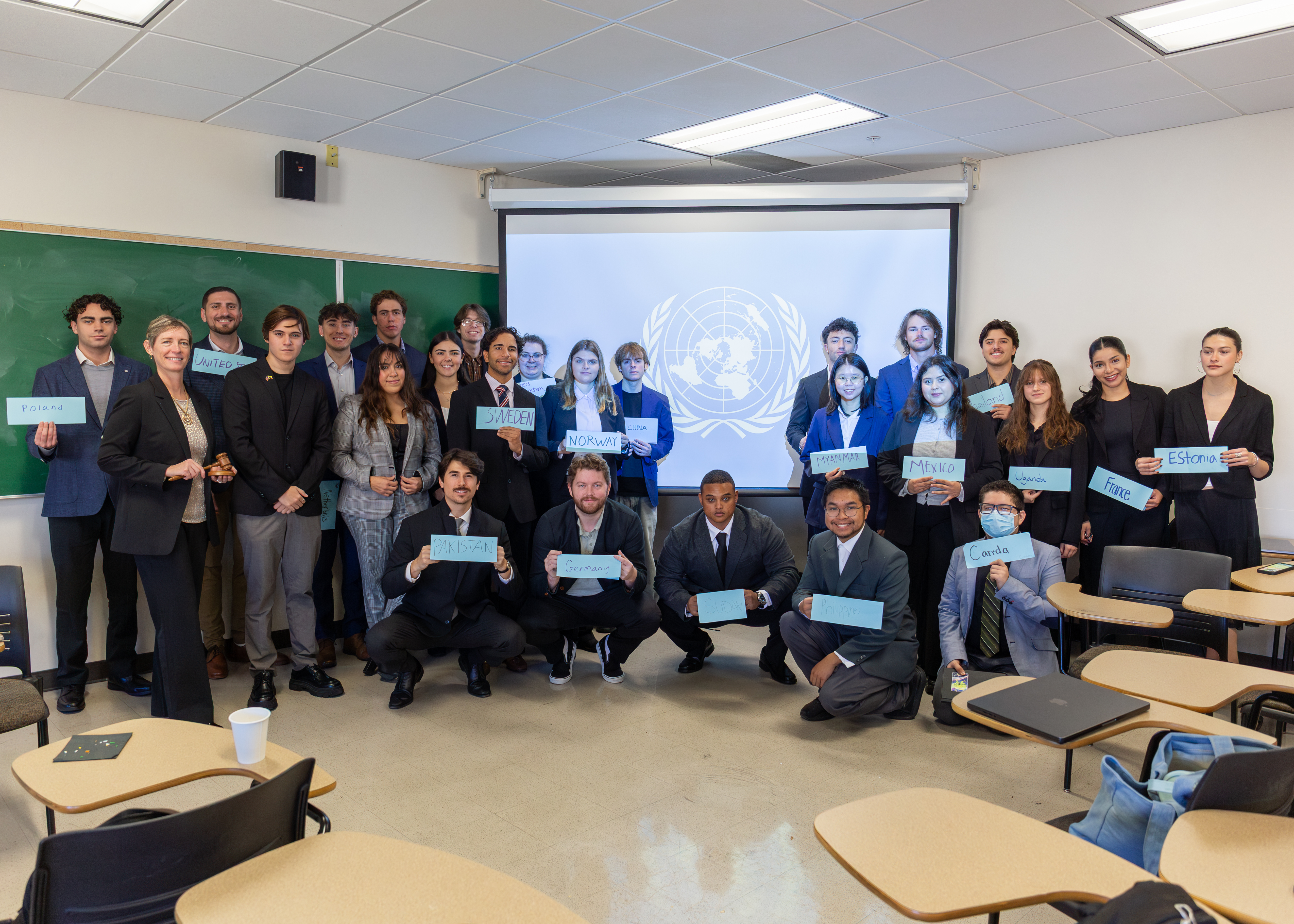
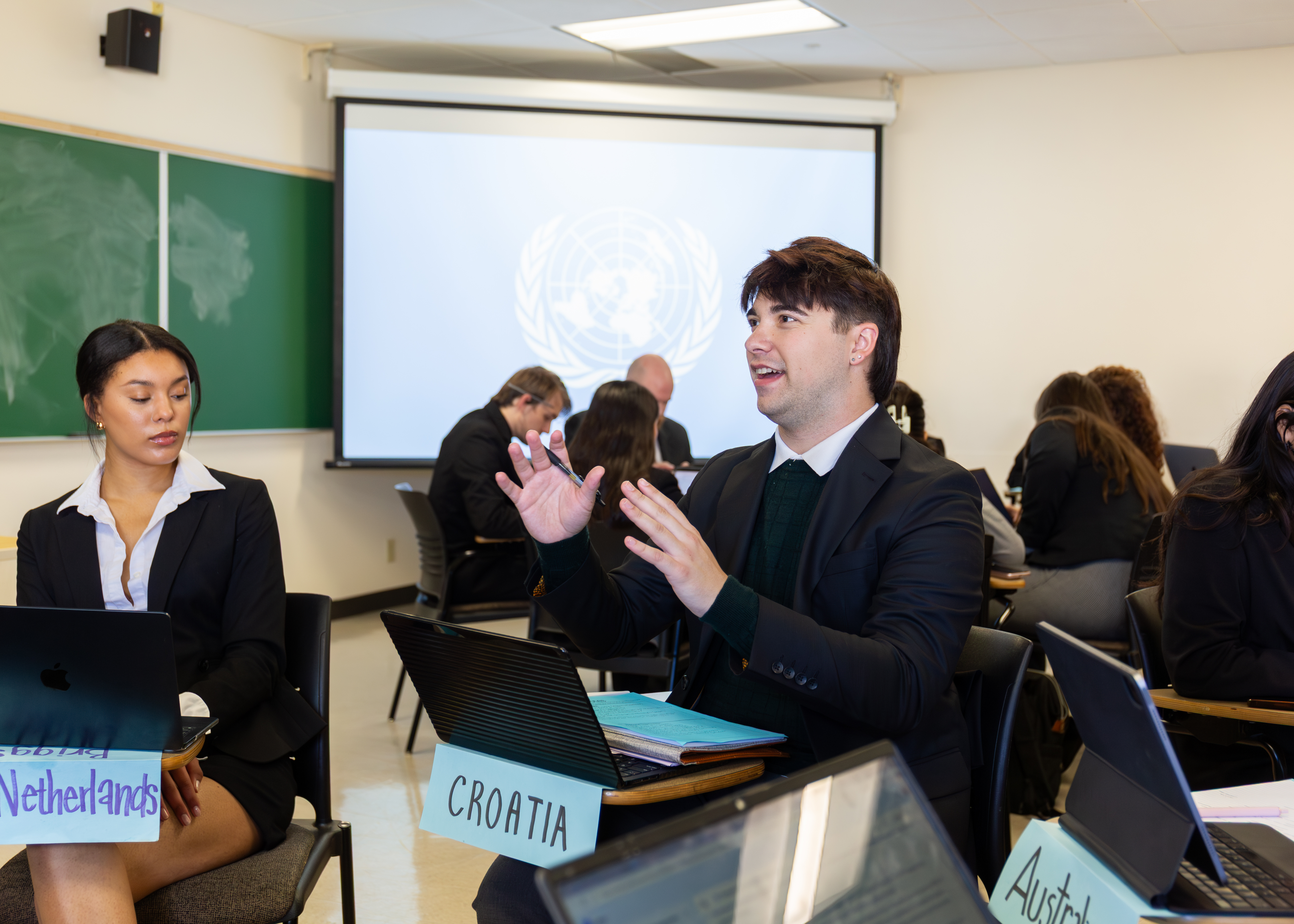
- Apply international relations discipline theories and concepts in a diplomacy simulation.
- Practice respect, openness, and curiosity toward people of other cultures and perspectives.
Supplementary Course Description: This course introduces students to the history, theories, and practices of international relations and global politics. The course reviews the foundations of the nation-state system and introduces students to contemporary structures and functions of the international system. Students learn how states address shared problems or achieve shared objectives through foreign policy. Lectures, readings, and assignments provide insight into basic international tenets, laws, and norms on topics such as human rights, war and peace, environmental degradation and sustainable development, space exploration and space junk, international diseases, and development aid. By the end of the course students will be able to identify how states create foreign policy, assess international negotiation and diplomacy patterns and interactions, and identify the power and influence of other actors in the international system (such as transnational corporations, non-governmental, and inter-governmental organizations). Students practice negotiation, diplomacy, and policymaking skills by representing a country in a Model United Nations simulation.
OER/Low cost: Global Politics: A Toolkit for Learners
Brief Description: Global Politics: A Toolkit for Learners is an innovative and exciting new learner-centered approach to the study of international relations. Leveraging decades of in-class teaching and learning experiences, authors Roni Kay M. O’Dell and Sasha Breger Bush have developed evidence-based teaching and learning practices which support a scaffolded, skills-oriented approach. Each chapter introduces historical documents from key political events, important concepts and the techniques learners need to independently and actively engage with primary sources. Readers are encouraged to develop a personal connection with global issues, to consider matters of justice, freedom and equality, and to think critically about possibilities for social transformation in the global arena.
Please provide a link to the resource
- https://www.bloomsbury.com/us/global-politics-9781793604781
- https://csu-csusm.primo.exlibrisgroup.com/permalink/01CALS_USM/f06ejt/alma99900992941701672
Authors: Roni Kay M. O’Dell and Sasha Breger Bush
Student access: CSUSM library
Provide the cost savings from that of a traditional textbook. Between $20-$100 depending on the textbook
License: ebook is copyrighted but available for free to students through library.
OER/Low-Cost Adoption Process
Provide an explanation or what motivated you to use this textbook or OER/Low-Cost option. My colleague and I wrote the book together to provide students with a text that introduced students to the material in a more realistic and accessible way. It provides students with practical skills as well as substantive materials and information. In addition, it saves students money.
How did you find and select the open textbook for this course? Librarians helped me identify that the textbook could be accessed to all students through the CSUSM library.
Sharing Best Practices: It is valuable to find sources that help instructors to teach courses in an accessible manner. Using textbooks that can be customized - like the O’Dell and Breger Bush text - allows instructors to be creative and responsive in the classroom. I use the O’Dell and Breger Bush textbook to help students build study skills and to support them in gaining important career and professional development skills. The textbook also builds their knowledge on how to practice negotiation skills in a simulation we implement in the course.
Describe any key challenges you experienced, how they were resolved and lessons learned. I did not experience any challenges when switching to this selected textbook since the library was able to purchase it as an unlimited user ebook for the collection.
Instructor Name - Roni Kay M. O’Dell
I am a political science professor at the California State University San Marcos. 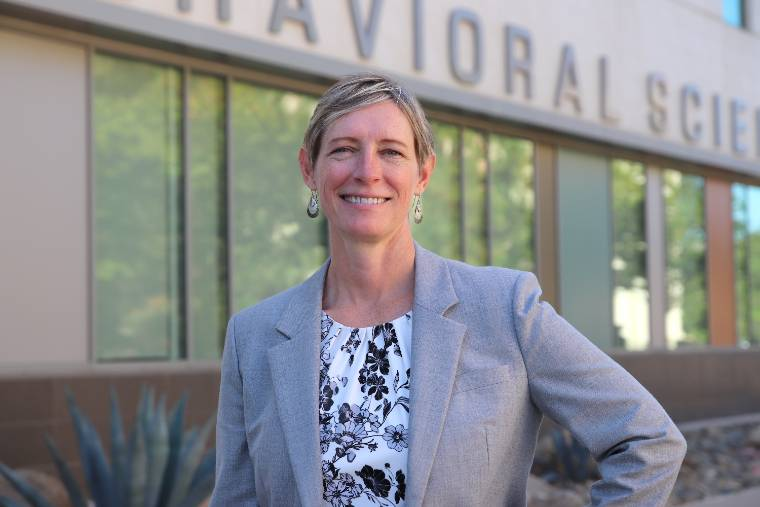 Please provide a link to your university page.
https://www.csusm.edu/politicalscience/faculty/roni_odell.html
Please describe the courses/course numbers that you teach. I’m passionate about offering courses that provide students with knowledge of global issues, especially issues that connect environmental concerns with human rights and development. I’m particularly concerned about providing students insight into how to understand and respond to world challenges such as poverty and environmental degradation. My courses engage students in simulations and case studies that help them think through global challenges.
PSCI 350 Global Governance: Basic international political principles and practices, including characteristics of the international system, foreign policy making, security and defense, alliances, law and organization, and international conflict. (INP) Satisfies GE area: DD
PSCI 396 Green Planet Politics: Environmental problems respect no political boundaries; their resolution depends on successful collaboration among political players at many levels. This course analyzes how these political players - ranging from world leaders to grassroots activists - struggle to solve global environmental problems within both formal and informal political structures. It uses case studies and other active learning methods to examine the controversial nature of protecting and managing natural resources on a global scale. (INP) Recommended Preparation: PSCI 350.
PSCI 365: International Organization and Law: Historical development and contemporary structure of international organizations, such as the United Nations, NATO, and regional economic associations. Development of international law and settlement of international disputes. (INP) Recommended Preparation: PSCI 350.
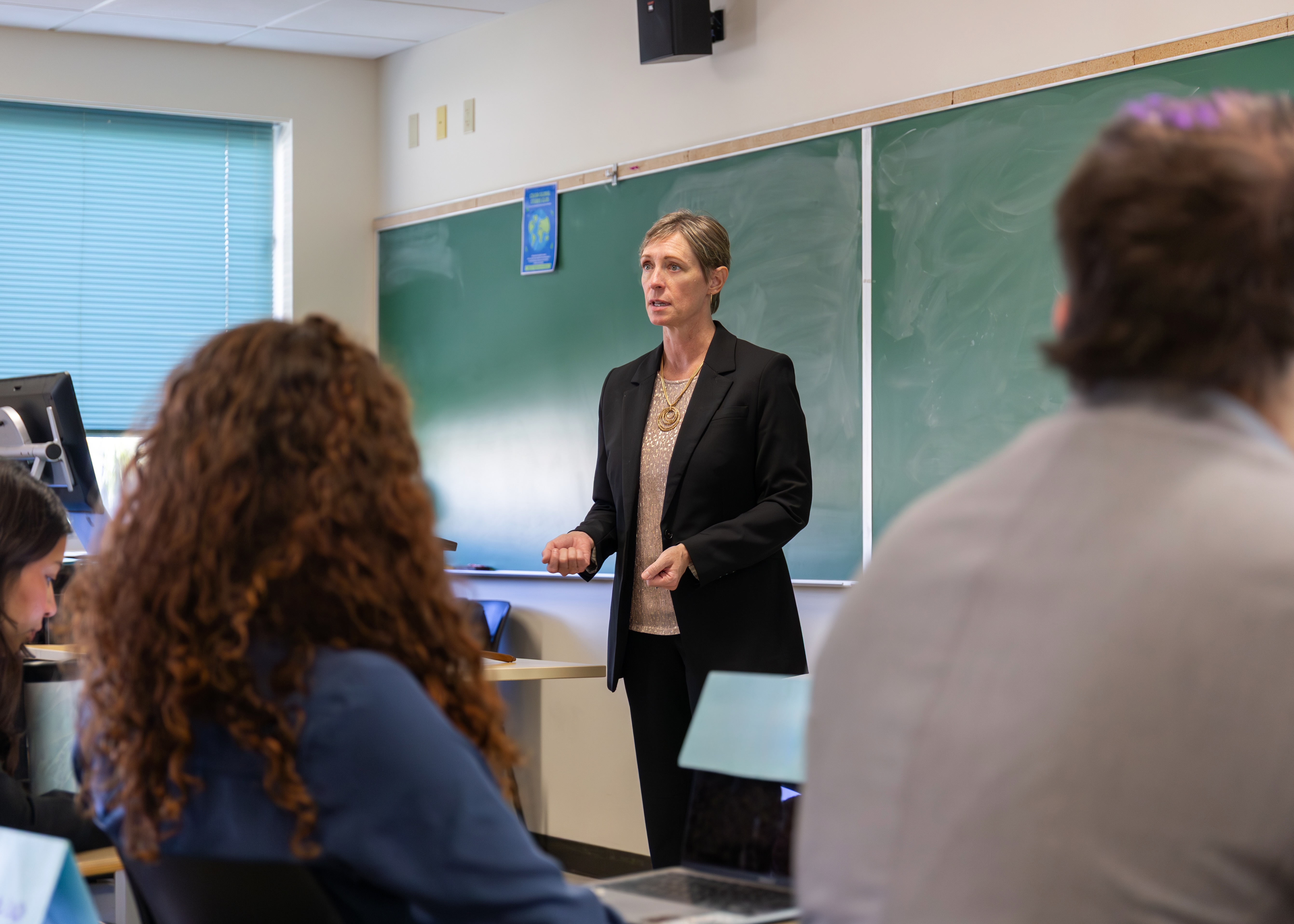
Describe your teaching philosophy and any research interests related to your discipline or teaching. I follow the pedagogy of learner-centered teaching (LCT) maintaining that the learner is the primary focus of teaching practice. I plan and implement my courses using simulations, interactive activities, case studies, course and learning evaluation, research symposiums, lectures, exams, guest speakers, and self-reflection assignments that encourage students to take charge of their learning with my support and guidance. The learning practices and activities provide students with skills and experience that make them competitive and prepared for their future academic and career goals.