Material Detail
Tag and Attribute
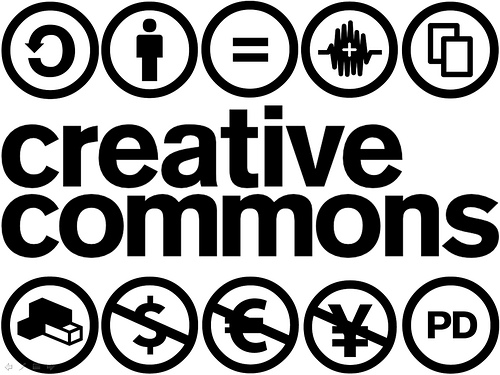
This tutorial takes a look at the issue of copyrighting and using images from others. Students will learn the basic signs and meanings of each copyright used in creative commons. Students are taken through a short introduction over the proper way to tag and attribute images they borrow.

Quality
-
User Rating
- Comments (2) Comments
- Learning Exercises
- Bookmark Collection (1) Bookmark Collections
- Course ePortfolios
- Accessibility Info
More about this material
- Mobile Compatibility:
- Not specified at this time
- Language:
- English
- Cost Involved:
- No
- Source Code Available:
- No
- Creative Commons:
-

This work is licensed under a Attribution-NonCommercial-ShareAlike 3.0 United States
Browse...
Disciplines with similar materials as Tag and Attribute
People who viewed this also viewed


Comments

Kristina B (Student)
The attractive, standard template used throughout this tutorial makes it one that is easy to navigate through from the very start through the end- the author has chosen fonts, colors, and slide backgrounds, doing a fine job of customizing the display of information for the learner. The author has also made a point to highlight the big ideas and key learning objectives to the learner in the very beginning of the tutorial, guiding them to effective goal setting. As a learner, I now know what I am aiming to accomplish by the end of the tutorial.
Other “pros” of this tutorial include the author defining and decoding symbolic notation that the learner is expected to soon be very familiar with. By providing multiple meanings/interpretations of the symbols, it enhances the relevance and authenticity for the learner, as they are able to create their own meaningful connection for each given copyright tag. Another strategy the author uses in this tutorial is a “quiz” question feature they occurs after every/every other new copyright is introduced. These short assessments enhance the learner’s capacity for monitoring their OWN progress as they are instantly told whether or not they comprehend the new information; the author has also incorporated audio to affirm their selection. One other bonus to the “quiz” assessments throughout the tutorial is that they give the learner instant feedback- an important criterion for effective self-monitoring of progress. If the learner chooses an incorrect answer, they are provided with a scaffold, or reminder of the key information that was studied prior.
One way this tutorial might be enhanced for ALL learners is to provide the learner with an “everyday” example of a way that each copyright license is commonly used, and also, the kind of person/job that generally uses each type. I feel as though it may be beneficial for the author to even further activate background knowledge of the learner in the beginning of the tutorial- of course depending on the audience’s familiarity with copyright knowledge. As an example, being an individual that doesn’t know much about the topic, or why or what one would seek a copyright license for, I did a little more research on “creative commons” and learned that, in general, things that are copyrighted are: books, scripts, websites, lesson plans, blogs and any other forms of writings; photographs and other visual images; films, video games and other visual materials; musical compositions, sound recordings and other audio works. (http://wiki.creativecommons.org/Before_Licensing) This type of information may have helped “set the stage” more having known this information from the start.
Overall, this tutorial was informative and I especially found it helpful to see a “graphic organizer” of all that I had just learned at the end of the presentation. Well done!
Technical Remarks:
The link to the correct answer of the first quiz question is broken.
Dionna Harvell (Staff)
I believe the author did an excellent job in terms of demonstrating his knowledge base in the area of copyrighting. The author power point was very structured, organized and detailed. He kept the reader’s interest through the design of the presentation, as well as the ease of understanding the information despite the topic being one that is very detailed and critical. The quiz in the presentation allowed the reader the opportunity to ensure that they understood the concepts in the powerpoint presentation. I failed the quiz on the first two tries and was eager to make sure that I obtained the correct answer. I feel that Marcus took time in choosing an important yet easy topic to understand and relate to. Utilization of the powerpoint presentation was the best way to relay this information to readers at different developmental levels. His presentation was very insightful and thought provoking. I feel that I have obtained a better understanding of the laws regarding copyright infringement after reading his presentation. This presentation has sparked my curiosity to learn more about this area.